The automotive industry has (pardon the pun) a lot of moving parts. While recent talk focuses on the struggles of automakers, the larger automotive industry—including repair shops, car washes, and retailers—is also feeling the pinch.
In light of these challenges, you’re likely looking for ways to cut costs, avoid delays, and keep supplies on hand without stockpiling or scrambling for last-minute fixes. Fortunately, the right tactics and tools make automotive procurement easier to manage as you ride out bumpy economics.
Read on to learn more about the changes facing the automotive sector and how technology can help you simplify sourcing, boost cash flow, and automate your most repetitive procurement tasks.
Download the free guide: The Procurement Strategy Playbook for Modern Businesses
Understanding the evolving automotive procurement industry
Automotive procurement is becoming more complex every year. Once-reliable supply tactics and vendor relationships are shifting with the latest news and policies. Staying informed helps you respond quickly and avoid getting burned by cost increases.
Service and retail companies are keeping a close eye on these automotive procurement trends:
Tariff-aware procurement: Tariffs have long been a part of automotive procurement, with buyers shifting from global supply lines to nearshoring and onshoring where possible. With 2025’s increased tariff activity, buyers are looking for better ways to counter their effects.
Tariff-aware buying can be as simple as opting for domestic products wherever you can and sourcing supplies from countries with favorable tariff rules when you can’t.
Balancing JIT efficiency with access: Just-in-time (JIT) is a lean procurement strategy that helps you access supplies as needed instead of stockpiling every item. While it’s an efficient way to manage supply levels, it can be risky in the current procurement landscape.
To reduce potential problems, use JIT for easily accessible products to get the best prices, but stock up on mission-critical items to prevent shortages.
Boosting sustainability in the supply chain: Opting for sustainable suppliers can increase resilience and help you avoid disruptions caused by environmental or geopolitical changes. Sustainable sourcing may also help you save money through lower fuel and product costs.
Procurement technology can help you stay ahead of these trends and optimize your automotive procurement strategy to realize more savings. It aids you in sourcing supplies with tariffs in mind, maintaining a steady supply of critical items, and building strong supplier relationships for better outcomes.
The Procurement Strategy Playbook for Modern Businesses
Learn the key pillars of a strong strategy, valuable procurement metrics to track, and initiatives you can start implementing today.
5 common challenges in automotive procurement
Change and disruption bring new hurdles for retailers and repair businesses, but familiar obstacles like quality and availability remain top concerns. These issues make automotive procurement especially challenging for small businesses and service providers trying to control costs and deliver timely service:
- Quality control: Auto supplies are often subject to safety standards and regulations. This means you have to keep a close eye on the quality of products used in vehicles, as well as back-of-the-house and operational supplies you use to run the shop.
- Cost management: Prices are rising across the board. Due to their mix of indirect and direct supply needs, automotive retailers and service shops are especially sensitive to cost increases. Since indirect spend can quickly eat into profitability, managing these costs is a priority.
- Supplier reliability: Great suppliers are key to getting quality products on time, but building and maintaining those relationships requires effort and data. Measure how well your suppliers perform in areas like cost and service to ensure supply contracts stay competitive.
- Spend visibility: Working with dozens of vendors and processing hundreds of orders and invoices each month can overwhelm your accounting and finance teams. When they’re buried in paperwork, it’s easy to lose sight of spending trends, budget control, and data-driven decision-making.
- Environmental sustainability: Getting the right mix of sustainable options and strong pricing can take some legwork. But as customer demand grows and supply chain disruptions continue, sustainable sourcing is more important than ever. Technology can help you find sustainable vendors without doing hours of independent research.
While these challenges are common, they aren’t inevitable. Strong policies and tools can help you stay on top of your quality, cost, and reporting demands.
Key pillars for automotive procurement success
Adopting intelligent procurement practices, like using technology for supplier management and strategic global sourcing, can make a noticeable difference in your outcomes. These tactics simplify operations and increase visibility into your spending trends and efficiency.
Assess supplier location
Look for domestic suppliers or tariff-friendly offshore vendors to reduce logistics costs and lead times. Decreasing the distance between you and your supplies lowers costs, shortens the procurement cycle, and helps you avoid delays from customs.
Order.co gives you access to over 15,000 vendors for every procurement need, making it easier to find and connect with local suppliers. You can shop for goods with domestic vendors and choose products that offer the best price and total value.
Build visibility in procurement
Break down information silos to help you see what you’re spending. Centralizing your automotive procurement and purchasing data helps you find opportunities for savings and spot issues early. A tool with reporting and spend management features makes it easy to compare pricing, monitor vendor spend, and benchmark supplier performance. This data can help you create clearer audit trails and spend reports.
Use strategic sourcing practices
Many automotive businesses take a transactional approach to procurement, but that's rarely the most cost-effective option. One-off purchases often cost you more in the long run than building a partnership with a trusted supplier. What’s more, long-term partnerships can help you when the journey gets rough.
With a strategic supply partner, you can:
- Unlock better pricing through discounts and volume deals
- Negotiate stronger contract terms for better service outcomes
- Extend your net terms agreement for improved cash management
- Find solutions for stockouts or delays
Strong supplier relationships benefit both parties. They provide vendors with more reliable income through higher-volume deals, while you get better pricing and more consistent service.
Make your supply chains more sustainable
Make sustainability a priority in your procurement function, both for its potential cost savings and its ability to reduce supply risk. A more sustainable supply chain builds resilience by ensuring you won’t have to scramble to get what you need.
There are many ways to create more sustainability in procurement, from choosing the right suppliers to opting for more environmentally friendly products:
- Focus on buying eco-friendly materials
- Reduce packaging for lesser environmental impact
- Simplify logistics to reduce fuel use
- Assess sustainability factors during vendor sourcing
- Opt for renewable energy use for eco-impact and cost efficiency
- Source remanufactured parts and recycled materials for automotive repairs where appropriate
The Procurement Strategy Playbook for Modern Businesses
Learn the key pillars of a strong strategy, valuable procurement metrics to track, and initiatives you can start implementing today.
"*" indicates required fields
Automate automotive procurement with the right technology
Manual processes don't help you scale or save money. The extra hours spent managing spreadsheets are better used creating revenue opportunities and refining your procurement automation strategy.
Automating procurement and accounts payable (AP) takes the clutter out of operations workflows, reduces manual errors, and makes your finance and procurement teams more efficient.
The ROI from reduced operational costs makes investing in an automotive procurement software tool well worth it. Automation helps you pay vendors on time to enable volume and early-pay discounts, maintain supplier relationship management to unlock competitive pricing, and get real-time visibility into spending to spot savings opportunities.
Introducing digital procurement tools for efficiency
Modern procurement platforms make buying supplies easier and more organized. The right tool eliminates repetitive tasks like purchase order processing, invoice management, and analytics. These time savings take the burden off accounting teams as you scale, so they can focus on creating value instead of putting out fires.
When you’re ready to upgrade your procurement process with a digital tool, take these steps to make selection and implementation easier:
Look at your current procurement process: Dig into your existing process to see what’s working and what’s not. Map out the steps, from requisition to payment, and look for places where maverick spend, bottlenecks, or errors crop up. Performing a process audit gives you a clear picture of where digital tools can make a real difference.
Set specific goals for procurement: Decide what you want to achieve with a procurement tool. Identify any areas in your current procurement function that most need attention.
Goals for implementation could include:
- Improving order tracking and transparency
- Cutting down cycle times
- Managing spend controls
- Saving costs through efficiency
- Building stronger vendor relationships
Choose the right digital tools: Research eprocurement platform options based on your goals, budget, and how well they’ll fit with your current systems.
Look for benefits like ease of use, customizable workflows, reporting tools, supplier management functions, analytics, and strong customer support. Also, consider how your shortlist of tools uses procurement AI to improve purchasing and payment workflows.
Roll out and refine: Once you’ve picked a platform, create a detailed plan for implementation. Many top-tier tools like Order.co offer implementation support to handle the heavy lifting.
Lay out a timeline, organize training sessions to get your team comfortable with the system, and prepare for data migration if you’re moving from manual processes.
Track your results: After onboarding, keep tabs on how the platform performs against your initial goals. Establishing KPIs can help you track the most important aspects of your procurement management.
Gather feedback from your team to pinpoint any issues or opportunities to improve. Review your performance metrics over time to ensure the platform continues to deliver results.
Following these steps sets you up for success in your technology search and ensures you get a platform that meets your needs and helps you adapt to change.
Move forward with next-generation automotive procurement
Order.co helps automotive companies and service providers unlock efficiency, transparency, and innovation in their procurement processes. Its supply procurement and reporting features make it easier to source supplies at the right price, manage vendors, and make better decisions for your business.
The easy-to-use procurement platform offers features not found in other tools:
- AI-driven sourcing that helps you find the best price for items and replacements when a product is out of stock
- Time-saving purchasing options so you can get the products you need quickly, instead of running out to buy last-minute supplies at retail prices
- Integrations that allow you to build repeatable AP workflows that reduce processing costs and manual labor
- Reporting features that help you make better spending decisions and close the books faster, with full visibility into your automotive procurement performance
Schedule a demo with Order.co to see how implementing efficient and cost-effective tools can help you run your business smoothly in any economy.
Get started
Schedule a demo to see how Order.co can simplify buying for your business.
"*" indicates required fields
You may love working with a certain supplier—most buyers have their favorites. But is your view of their performance more than a feeling? If you want to know how beneficial each relationship is to your business, you need a way to measure them.
Building a data-informed scorecard system is the best way to evaluate every supplier against a consistent standard. An objective scorecard reveals whether your perception of vendor performance lines up with the facts.
To help you create a simple, well-crafted scorecard system, we’ve pulled together this quick guide of actionable steps and scorecard metrics you can use to create tailored insights into your suppliers. By following this approach, you can foster better relationships with vendors and improve outcomes for your purchasing activities.
Download the free tool: Vendor Scorecard Template
Data-driven supplier scorecards: What are the benefits?
Here are some of the most valuable advantages you gain when you take a quantitative approach to evaluating your vendors:
- Increased transparency: Scoring gives you clear insights into supplier performance and its effect on procurement.
- Improved decision-making: Using data-informed reviews helps you make informed decisions about ongoing partnerships.
- Enhanced supplier performance: Highlighting strengths and opportunities helps suppliers improve their offerings.
- Stronger relationships: Providing feedback creates opportunities to build long-term partnerships.
- Better risk management: Standardizing scorecards helps you identify and avoid potential risks. Since over 35% of data breaches come from vendor vulnerabilities, this should be a priority for your review.
How to create a data-driven supplier scorecard
Ready to build a new vendor scorecard program or improve your current system? Here are the steps to take to get the most out of your data.
1. Get clear on your goals
Before you start looking at supplier performance, get together with stakeholders to find out what’s working and what could improve. Use feedback from buyers, department heads, procurement team members, and executives to craft business objectives aligned with your scoring program.
Your team might prioritize:
- Boosting supplier performance in a certain area, like delivery or damages
- Building supply chain reliability and efficiency with your best supply partners
- Cutting costs by partnering with a shortlist of high-quality suppliers
- Reducing risk with a review of supplier safety and resilience
- Strengthening contract compliance in your supplier pool
Once you clarify your goals, you can focus on the best data and KPIs to start your performance evaluation.
2. Collect supplier performance data
Pull in performance data from all supply transactions since your last review. The goal is to create as accurate a picture as possible for each supplier.
If your supplier data doesn't already live in a centralized platform, here are some places to begin your search:
- Purchase orders: Look at past purchase orders and spend reports to get an idea of your supplier’s historical performance.
- Corporate card transactions: Check credit card statements and expense reports for out-of-policy purchases (since lots of purchases still happen on corporate cards, even if your buying policy says they shouldn't).
- Delivery logs: Examine metrics like delivery times, accuracy, and damages to understand how well a supplier is actually serving you.
- Previous scorecards: Review scores from any scoring systems you've used previously to see how performance is changing over time.
- Industry benchmarks: Compare supplier performance to the rest of your pool and broader industry standards to see how it stacks up.
- Risk assessments: Check for breaches or security issues to evaluate how your supplier handles data safety.
3. Track the right key performance indicators
Use KPIs to help you take the temperature of your procurement efforts. When you break KPIs out by vendor, you get clear evidence of performance for each supplier in your supply chain.
Align your KPI choices with the outcomes you’re looking to achieve. Consider your most high-value categories to keep tabs on performance over time, such as:
- Delivery performance
- Order accuracy
- Customer service
- Product quality
- Customer satisfaction
- Pricing
This list should give you a starting point for building a scorecard that reflects your expectations. Each category can include multiple specific metrics to track performance in the most important areas.
4. Use real-time data
Judging performance based on outdated information doesn’t help you improve procurement outcomes. When building a scorecard, use real-time data and supplier information management tools to get a clear look at how vendors are performing against past reviews and industry standards.
Order.co offers visibility into your vendor and order data so you can see how each supplier stacks up. You'll understand where each vendor fits into your procurement process in terms of pricing, contract compliance, service level agreements, and customer satisfaction. Fresh data helps you catch performance issues early so you can get ahead of them.
5. Refine and improve your scoring program
Once your scoring rubric is up and running, look for ways to boost its effectiveness for even better insights. After all, setting up a supplier scorecard is just the beginning of better relationship management.
- Adjust metrics as needed: Goals change, and your metrics should change with them. Review your vendor scorecard process at least yearly and update the metrics to reflect new objectives. These changes can also help you vet suppliers and inform your supplier onboarding process.
- Update your benchmarks: Don’t make new decisions based on outdated info. Use current, credible data sources to update benchmarks according to broader procurement challenges and market trends. Compare supplier performance against these standards to see how they measure up.
- Adapt to outside changes: External forces like market shifts, technology advances, and changing business goals call for adjustments. Your approach to vendor management should be just as dynamic. Use what you learn from each review cycle to refine your process and adjust the criteria.
- Let software help: If you have dozens or hundreds of suppliers, keeping up with scoring can get hectic. Use software to help you understand how vendors are doing. Order.co offers a suite of reports and dashboards that shine a light on spending by category, vendor, location, and more.
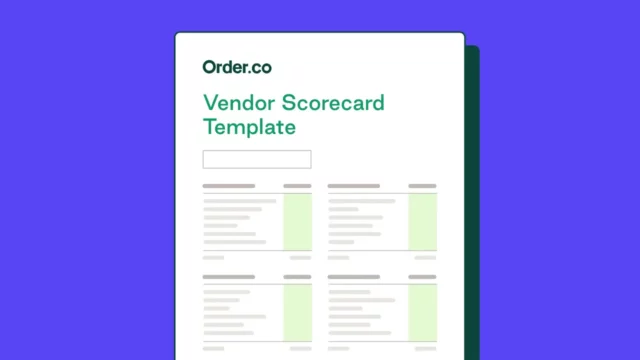
Vendor Scorecard Template
Download our free vendor scorecard to make objectively evaluating vendors easier.
How often should you do supplier scorecard reviews?
When it comes to review frequency, the most realistic answer is “it depends.” Mainly, you want to keep a closer eye on your most important vendors. For instance, if you do a lot of business with a single supplier (or if they partner with you on big-ticket purchases), it’s worth reviewing that relationship more often.
As a general rule, plan to score all your vendors at least once a year. For your most valuable partnerships, you may choose to review them semi-annually or even quarterly to make sure everything's on track.
Gain clarity on priorities with a segmentation matrix
Supplier segmentation is a great way to look at how important each vendor is to your business. A Kraljic matrix can help you weigh which suppliers warrant extra attention. This decision-making tool lets you segment your vendors into one of four categories:
- Leverage items: These items aren’t mission-critical, but they can impact the bottom line. You may find opportunities to negotiate with the vendors for these items for better pricing.
- Strategic items: These products are important to your business and can be hard to get. Build partnerships with a few trusted vendors in this category to be sure you can access the supplies you need on time and on budget.
- Routine items: Non-critical items with a low supply risk don’t require as much oversight, so you can review these items at least yearly to ensure consistent costs.
- Bottleneck items: While these products aren’t critical like strategic items, they’re just as important to smooth operations. Be sure to have a backup plan, like a secondary supplier, to reduce the risk of delays or shortages.
Key performance metrics for an effective supplier scorecard
KPIs are the best way to bring fairness and objectivity to your review process. Use metrics to measure a supplier's financial stability, innovation capacity, sustainability efforts, and risk profile. Outline the North Star factors most important to your buying experience and use those as your key metrics.
It’s important to measure fundamental procurement KPIs like these when reviewing your vendors:
Cost
- Average per-unit cost
- Total order value
- Discount percentages and terms
- Year-over-year cost savings
- Price variance
- Price compared to benchmarks
- Percentage of spend by vendor
- Cost impact of disruptions
Product quality
- Defect rate per delivery
- Product quality consistency
- Return and replacement rate
- Warranty claim frequency
- Product lifecycle duration
- Customer satisfaction rating
Service, sustainability, and risk
- On-time delivery rate
- Order accuracy rate
- Inquiry response timeliness
- Issue resolution speed
- Delivery lead times
- Sustainability rating
- Third-party risk profile
Numbers paint a picture, but feedback is equally valuable. Build a scorecard that looks at quantitative measures like defect rates and qualitative aspects of the relationship (like communication and issue resolution).
Vendor Scorecard Template
Download our free vendor scorecard to make objectively evaluating vendors easier.
"*" indicates required fields
What to do if your suppliers are underperforming
Every supplier relationship has rough patches. When performance metrics start to slip, corrective action can bring things into alignment.
Clarify the issue: Look at the current outcomes and trace them back to the upstream events. For instance, if there are issues with contract compliance, review the contract itself. Are the terms and conditions straightforward? Are the expectations clear? Sometimes a little clarity is enough to get things back on track.
Open communication: If a once-reliable supplier isn’t living up to their past performance, check in. Schedule a talk with your point of contact to discuss the issue and get their perspective. Good communication can iron out most problems when both parties want to make improvements.
Increase your oversight: When issues arise, put some checks in place to monitor the weak areas of the relationship. For instance, if on-time delivery is a problem, flag the account for a quick check-in with your supplier contact each time you place an order. A timely reminder can prompt action and help prevent further problems.
Move on: No one wants to step away from a partnership prematurely, but if a supplier continues to have issues, it may be time to look elsewhere. Just be sure you’re not costing yourself more by changing than you’ll absorb by staying. Look at your cost of change (which may be 10% or more with technology, tooling, risk, or disruptions) and decide whether it’s worth the move.
Boost business impact with your supplier scorecard
Now that you’ve built a scorecard that reflects your business needs and values, you’ll have greater visibility to make better decisions and manage your vendor relationships more effectively.
Order.co makes it easier to work with vendors that meet your performance expectations and deliver value at the right price. The platform offers a range of features that support ongoing supplier evaluation and relationship-building so you can turn scorecard results into cost savings and greater spend efficiency:
- Access to over 15,000 high-quality vendors for every business need
- Curated catalogs to help your buyers choose products from your preferred suppliers
- Spend analysis and reporting to track how every vendor performs against your scorecard metrics
- Invoice and payment processing features to make sure your top vendors get paid on time
Let Order.co help you build a more efficient, data-driven procurement process that helps you maintain strong supplier partnerships and continuously improve purchasing outcomes. Get a demo to learn more.
Get started
Schedule a demo to see how Order.co can simplify buying for your business.
"*" indicates required fields
We’ll just say it: The retail landscape of 2025 is giving retail brand managers and in-store management teams a run for their money when it comes to agility and contingency planning. Ongoing concerns around supply chain management and tariff impacts are pushing retailers to become more resourceful and data-driven in their approach to sourcing and promoting products.
While these complexities may be adding more hours to the workday, they also present an opportunity to improve processes and enhance customer loyalty. Building a stronger retail management strategy not only helps brands get through tough times—it can also bolster performance long after the retail market regains its footing.
Technology is one of the best bets for retailers of all sizes to gain visibility and agility. With the right platforms in place, retail managers and procurement teams can see more of what’s working and tailor their approach to increase customer satisfaction while maintaining healthy margins.
This article explores the tools and tactics that can help retailers achieve better results and remain flexible in the face of change.
Top challenges of retail management
Retailers tend to confront universal hurdles in managing their locations. Inventory control, customer satisfaction, staffing issues, and changing market trends all influence how they adapt. These five areas are most often top of mind for retail managers trying to keep products flowing from vendors to customers.
Inventory management: Balancing stock levels against spending is an important but sometimes tricky component of retail success. Carrying too much stock increases the risk of waste through stale product. Using retail inventory management to find appropriate inventory levels ensures you have what you need to meet customer demand without excess.
Cost efficiency: While well-managed retail margins can vary significantly (from as low as 2–10% to as high as 22–34%, depending on category and strategy), controlling inventory and operational costs remains one of the most effective ways to improve them. Sourcing high-quality, competitively priced products from trusted vendors is a smart strategy for achieving your margin goals.
Adapting to customer trends: Consumer needs and desires are constantly evolving, so retail brands must keep their strategies fresh and flexible. Responding to trends also means maintaining a short product turnover cycle to prevent stale product from taking up shelf space.
Supply chain management: Given the reality of shipping constraints and new tariffs, strategy is more vital than ever. Retailers must balance supply with demand, reduce third-party risk, and keep costs aligned with profitability. Access to a flexible retail supply chain system that can help you overcome supply chain constraints is essential.
Retail operations management: Retailers must coordinate staffing, inventory control, sales forecasting, and customer service to keep stores running smoothly. Technology can help you establish more efficient processes and analyze customer data to increase sales and drive better results.
What are the 5 Ps of retail management?
The 5 Ps of retail management are a framework for success in a competitive consumer landscape. Think of them as the core principles that address the most important retail business needs.
- Product: The basis of any retail business is what you sell and how you meet your customers’ needs. Focus on quality, variety, and innovation in your product offerings to increase your likelihood of success.
- Price: Set competitive prices without sacrificing quality to further differentiate your offering and attract the right buyers.
- Place: Make sure your products are in the right location and platform to get noticed, whether through advantageous shelving in physical retail stores or proper placement in ecommerce channels.
- Promotion: Leverage effective advertising, sales promotions, social media marketing, loyalty programs, and public relations activities to capture attention, build interest, and persuade consumers to make a purchase.
- People: In-store employees are the first purveyors of your brand culture, giving customers a pleasant shopping experience while managing their expectations. Provide training, incentives, and advancement opportunities to help staff create better customer experiences and long-term brand success.
5 Proven Strategies to Streamline Retail Operations and Create Memorable In-Store Experiences
Creating consistent, measurable, memorable in-store customer experiences is your key to standing out from competitors. Download the guide today to get started!
Key features in modern retail management software
Beginning the search for a new retail management or procurement management tool? Consider these key features common to top-performing options.
Procurement automation
Centralized procurement allows retailers to create purchase orders, track shipments, and manage invoices. A software system can automate many of the most tedious aspects of procurement to create accurate and time-efficient in-store operations with fewer errors and better experiences for retailers and consumers alike.
Analytics and sales reporting
Data should be the guiding force in decision-making for a retail brand. Procurement software empowers data-driven decisions through a centralized reporting dashboard that provides spend management insights by vendor, category, or location. Order.co offers a full suite of reporting and reconciliation tools to help you understand your spending, manage your budgets, and close your books.
Multi-store support
For retail chains with multiple locations, procurement and retail managers need features that scale. Centralized purchasing, reporting, and accounting make it easier to maintain supply levels and curate a consistent customer experience across every store or online outlet. Order.co’s centralized retail procurement tools help you orchestrate operations at scale—while still giving individual locations the freedom to place orders and find the best prices for goods.
Inventory management
An effective inventory management process helps retail managers track stock levels, refine order quantities, manage replenishment, and prevent overstock or stockouts to keep operations steady and customer engagement high.
However, not every retail business wants a granular, automated inventory management system. Many simply need a retail solution that makes it easy to get the right items at the right price and time. A procurement platform like Order.co offers a balance of product accessibility and user-friendly purchasing features. Front-line employees can order what they need, and advanced features like curated product catalogs and dynamic purchase controls ensure purchases stay within policy.
Faherty Brand uses Order.co’s curated catalogs, AI sourcing, and spend management tools to overcome retail management challenges and quickly expand into new locations. Read our customer case study to learn more.
5 steps to select and implement retail management software
A well-defined selection process is the best way to choose software of any kind. Use these steps as a framework to simplify decision-making and ensure a smooth rollout of your chosen software solution.
1. Define core objectives
To find the best-fit tool for your online store or brick-and-mortar location, start by clarifying your goals. Pinpoint the business case for moving to retail management software, whether improving order accuracy, simplifying procurement, integrating systems, or achieving other operational objectives. Taking the time to align your search with specific desired outcomes will help you evaluate your options with a clear focus on results.
2. Assess budget and ROI
When retailers turn to technology to improve the procurement process, the return on investment should far outshine the cost of implementation. Establish a preliminary budget for the new system, considering not just subscription cost but also functionality and long-term ROI.
Ask yourself: How much will my team save in spend, logistics, and manual labor costs versus the investment in technology, migration, and personnel training? The right platform often pays for itself in savings and operational improvements.
Using a cost-benefit analysis framework can help your team compare shortlisted options from a quantitative angle, factoring in both immediate costs and long-term financial benefits to make a more informed decision.
3. Plan data migration carefully
Clean data is at the heart of any successful data platform migration. Getting a handle on your current data streams will make migration smoother and deliver better retail and spend management results. A strong platform makes it easy to centralize data from every source into an accurate, accessible system that aids planning and analysis.
Audit: Conduct a thorough audit of all existing data. Identify what you have, where it resides, and its current format to ensure you don't overlook any critical information during the migration process.
Cleanse: Remove duplicates, fix errors, and standardize formats to verify the accuracy and reliability of data.
Define structure: Decide how the data will be organized, including tables, fields, and relationships, to ensure the migrated data works within the system.
Develop a plan: Create a step-by-step plan for how data will move.
Test migration: Conduct a test migration with a subset of your data to catch and correct issues before full migration.
Order.co makes data migration fast and easy by centralizing vendor info from your current systems. The platform also manages new data creation, including coding purchases with the correct GL codes for accurate financial tracking.
5 Proven Strategies to Streamline Retail Operations and Create Memorable In-Store Experiences
Creating consistent, measurable, memorable in-store customer experiences is your key to standing out from competitors. Download the guide today to get started!
"*" indicates required fields
4. Check vendor and system integrations
Retail management systems are rarely standalone tools. Instead, they need to work within your larger tech stack to provide real-time information, reduce process redundancies, and provide a comprehensive view of your procurement activities.
When evaluating systems, look for a platform that integrates with the tools you already use. It should offer vendor-agnostic access to the products you need and readily share information with management systems, accounting software, enterprise resource planning (ERP) platforms, customer relationship management (CRM) systems, and product information management (PIM) tools. Order.co integrates with many of the top accounting and work management tools, including Sage Intacct, QuickBooks, NetSuite, and Workday.
5. Provide training to teams
Even the most sophisticated retail management system only works if employees are willing to use it, meaning comprehensive training and ongoing support are essential for adoption. Offering a strong onboarding process in multiple formats, such as in-person sessions, on-demand resources, and a support contact, helps empower staff to ensure implementation success.
Explore Order.co's retail management solution
Order.co gives retailers an alternative to traditional inventory management systems. The dynamic procurement platform provides flexible features to support your most important management activities, including AI-enhanced product sourcing, purchase order management, order tracking, and cost control. It even has comprehensive reporting and analysis tools to help you understand spending trends and manage the impact of supply costs on the bottom line.
Order.co helps you simplify purchasing and maintain flexibility and control across all your locations with:
- A vendor-agnostic approach that allows you to create a curated catalog of items from suppliers you already trust, plus sourcing access to more than 15,000 additional high-quality options
- Automated approval processes and dynamic workflows for every procurement activity that give all your locations the freedom to buy while maintaining full spend visibility and control
- Cutting-edge AI features to help your buyers find the best prices for products as well as options for out-of-stock items—the system even learns and improves as you use it
- Smart checkout stock visibility so buyers can select products with confidence, knowing the items they need will be in stock before they add them to the cart
To see Order.co in action and explore how it can help all your retail locations maintain balanced inventory levels while giving them the freedom to buy what they need, schedule a demo of Order.co today.
Get started
Schedule a demo to see how Order.co can simplify buying for your business.
"*" indicates required fields
Though many businesses rely on corporate credit cards to provide buying power and preserve cost controls, alternatives like procurement cards (p-cards) can equip employees with access to the purchasing tools they need while better supporting broader procurement goals. Both p-cards and corporate cards enable easy, compliant employee spending, but procurement cards offer increased data centralization and customized controls for enhanced spend management.
Still, since p-cards and business credit cards share similar aims, it can be helpful to learn more about the key differences between a p-card vs. a corporate card before deciding which is better for your business.
Download the free ebook: Choose the Right Procurement Technology With This Decision Matrix
What is a p-card?
A p-card, or procurement card, is a company charge card that allows a cardholder to buy goods and services without using a traditional expensed purchasing process. It streamlines the procurement and payment processes by eliminating the need for requisitions, purchase orders, and invoices.
Typically, companies using procurement cards will designate select stakeholders to receive a p-card (as opposed to a corporate card, which may be available to any employee based on role or level). The cards have a preset spending limit for specific, business-related purchases, enabling buyers to charge transactions directly to the company account. Depending on the procurement card program, a manager may need to approve transactions once initiated.
What is a corporate card?
Corporate cards are credit cards issued by an employer to employees to cover business expenses. Unlike a personal credit card, charges made on a corporate card are billed directly to the company credit account. Each card has an individual account number for tracking and processing, but the individual expenses roll into a single corporate monthly statement.
Corporate cards remove the need for employees to make purchases on their own credit and seek reimbursement afterward. They create a centralized record of all the purchases made, separated by account number or user.
Choose the Right Procurement Technology With This Decision Matrix
Find 15 must-ask questions to narrow down your software search and make your research process MUCH easier.
P-card features and benefits
Since they streamline the purchasing process and enhance transaction oversight, p-cards provide distinct advantages over traditional corporate cards. They allow for immediate, direct employee purchasing while bypassing slow reimbursement systems. P-cards also centralize transaction data, making it easier to monitor spending patterns and enforce compliance with company policies. With real-time expenditure visibility, p-cards facilitate efficient budget management, strategic procurement practices, and significant cost savings.
Tracking for online and offline purchases: Procurement cards offer a simple way to manage modern expenses like software purchases and offline vendor orders. They centralize transaction data into one platform, simplifying recordkeeping.
Customizable spend controls: P-cards allow employers to set specific spending limits, restrict transactions to certain categories or purchases, and even control the time or day a card is used. Employers can lock or unlock cards within an app or set use parameters to control spending further.
Enhanced expense visibility: By consolidating all corporate transactions into a single, easily accessible platform, procurement cards offer detailed expense visibility. This centralization allows for real-time expense tracking and categorization, enabling businesses to monitor spending patterns, identify potential savings, and detect fraud or maverick spend. The detailed data captured in procurement card transactions aids in spend analysis report generation and procurement KPI tracking, helping businesses make informed decisions while ensuring compliance with company spending policies.
Safeguards against waste spending: Putting software purchases, subscriptions, and other nonstandard procurement items on a corporate card can lead to waste spending. These purchases often have automatic renewal clauses, and if the cardholder leaves the company or transitions to a different role, subscriptions may renew unnoticed—sometimes for years.
In situations like this, companies may find themselves paying for unused or unnecessary services, draining valuable financial resources without realizing any return on investment. In fact, over half of IT managers struggle with SaaS sprawl despite improvements in streamlining app use. With a procurement card, transactions can’t hide in a month-end credit card statement, helping finance and procurement departments protect against waste spending.
Rewards and incentives: Many p-card programs offer loyalty benefits, cash back on purchases, or discounts with vendor partners. These extras provide additional financial resources to the company, creating ways to save money while streamlining the procurement and spend management process.
Administrative efficiency: Procurement cards enable several ways to reduce the administrative burdens of multiple buyers performing transactions. P-cards consolidate transactions into a single account, making reconciliation processes easier and less time-consuming. Procurement card platforms often also provide advanced reporting features that allow the AP team to automatically capture vendor and transaction data and pull it into reporting or spend management workflows.
Corporate card features and benefits
Corporate cards can be ideal for specific business scenarios, such as managing travel expenses. For individuals or departments that spend significant time on the road, a traditional corporate card provides a convenient and efficient way to handle all travel-related costs. This simplifies the process of tracking and reporting and ensures employees aren't paying out-of-pocket for business expenditures. By centralizing expenses, businesses can gain better insight into travel spending patterns, enabling more strategic decision-making around budgets and policies.
Increased spend control: Corporate cards can be tailored with specific spending limits and restrictions, allowing businesses to manage budgets more effectively and prevent unauthorized purchases. While not as detailed as procurement cards, corporate cards still offer some spend control functions to ensure purchases fall within spending policies.
Enhanced security: Credit cards often come with security features such as real-time fraud monitoring and instant card lock capabilities to protect against unauthorized transactions. This reduces the financial risk of a lost or compromised card in cases where card purchases are successful. Considering over 100,000 instances of credit card fraud were recorded in the fourth quarter of 2024 alone, these enhanced security measures are essential to reducing risk.
Rewards and incentives: Many corporate cards offer rewards programs, including cash back, travel points, or exclusive access to events, which can offset costs or unlock higher-tier benefits. Cards might incentivize employees to select in-network vendors for purchases.
Streamlined expense reporting: Some corporate cards offer in-platform expense management tools to automate the reporting process and make it easier to track expenses. These reporting tools can break out expenses by user, department, location, or other parameters.
Flexible limits for users: Corporate cards offer flexibility for various purchases, from office supplies to business travel. Administrators can implement a blanket credit limit for individual users, giving employees access to necessary resources while maintaining control over expenditures. This adaptability allows employees to operate autonomously while removing the need to self-fund travel or purchasing.
Choose the Right Procurement Technology With This Decision Matrix
Find 15 must-ask questions to narrow down your software search and make your research process MUCH easier.
"*" indicates required fields
Choosing between a p-card vs. a corporate card
Depending on your department or company's needs, a procurement platform with p-card vs. corporate card options—or a combination of both—may be the most effective way to manage team spending while providing the right balance of flexibility and oversight.
P-cards are ideal for smaller, routine purchases and can simplify procurement by eliminating the need for purchase orders. Corporate cards, on the other hand, are better for larger expenses or travel and can offer more detailed spending tracking and control. The payment method you choose will depend on your organization's spending patterns, purchasing needs, and financial management strategies.
When considering a p-card vs. a corporate card, ask yourself the following questions:
- What are your most common expenses? Corporate cards are typically used for business expenses like travel, entertainment, and office supplies. In contrast, p-cards are appropriate for direct procurement of goods and services from vendors. These cards are also useful for indirect procurement, including maintenance, utilities, and subscriptions as well as category spend like marketing.
- What type of control and oversight is needed? P-cards may offer more specific controls tailored to procurement processes, such as direct integration with vendor payment systems and pre-approval workflows. Corporate cards might provide increased spending limits while enabling detailed tracking and reporting by category.
- Do you need detailed spending control? Consider whether you need the ability to set granular spending limits or restrictions on specific types of purchases. P-cards can be customized at a very detailed level to restrict purchases to certain categories, while corporate cards may offer more general spending control.
- What is the current reconciliation process? It is crucial to be able to reconcile expenses easily with your accounting system. P-cards can simplify the procurement process by automating reconciliation and integrating directly with accounts payable systems, whereas corporate cards might require more manual effort to match receipts with expense reports.
- What types of rewards or incentives do you want? Corporate cards often come with rewards programs offering cash back, points, or miles that can be beneficial for frequent travel or large purchases. Although P-cards may offer rewards, their focus is more often on streamlining purchasing efficiency. However, procurement cards’ ability to reduce rogue spend may outstrip cash-back benefits.
- Who will use the cards? Consider who will be using the corporate purchasing card. A corporate card might be more suitable if it’s primarily employees making varied business purchases. For procurement or IT teams that regularly purchase from specific vendors or need to make bulk orders, p-cards could be more advantageous.
- What is your corporate credit situation? Consider how each type of card could impact company credit and liability. While corporate cards might impact credit ratings or debt ratios, procurement cards—like those available with Order.co Financial Offerings—present options for credit lines to extend working capital.
- What type of spend compliance do you need? Ensure whichever card option you choose aligns with your company’s spending policies and compliance requirements. P-cards may offer features to help you better comply with industry regulations or contracting requirements.
Considering these aspects of spend management will help your team make an informed decision about corporate card or procurement card use.
How Order.co virtual procurement cards help teams manage spend
Procurement cards and virtual cards streamline the purchasing process, allowing procurement and finance teams to centralize and manage spend data. They provide real-time visibility into expenditures, simplify reconciliation processes, and enable tighter expense control. This centralized approach aids in strategic decision-making and ensures compliance with financial policies.
A procurement card makes it possible to save time and money on AP through automated invoice processing and reconciliation. Order.co’s program adds other valuable benefits as well, including:
- Net terms for all vendors paid through virtual cards, giving you more time and flexibility for payment
- Real-time spend visibility and reporting on all purchases made with p-cards
- Easy-to-administer spend compliance with preset spend and category limits
When paired with a well-designed procurement platform like Order.co, procurement cards can help your organization manage every source of spend, from routine supplies and online purchases to software purchases and larger, one-off expenditures.
In addition to the flexibility and control of a procurement card, Order.co offers a fully-featured procurement system that helps your organization meet all its procurement and spend management needs, including:
- Centralized purchasing: All purchases happen within a centralized system, giving employees the ability to order needed items while staying within purchasing guidelines.
- Order management: A curated order catalog ensures you can always order from preferred vendors and get purchases approved with an easy, automated process. This maximizes savings through volume pricing and improves the procurement process without adding manual management.
- Invoice automation: With dynamic controls and automated workflows, AP can process and pay for orders quickly and easily—whether through the platform or purchases made on a p-card.
If you’d like to see how Order.co can combine the ease of a centralized platform with the added flexibility of a procurement card, schedule a demo today.
Get started
Schedule a demo to see how Order.co can simplify buying for your business.
"*" indicates required fields
Today's economic and logistical landscape demands brands put increased effort into supply chain management. With global disruptions ranging from pandemic-induced shortages to geopolitical tensions affecting trade routes, resilience and redundancy for mission-critical items must be a top priority. Companies have to work to mitigate risks, ensure continuity, and adapt to ever-evolving market demands.
Hotels, resorts, vacation rentals, country clubs, and other client-service venues, with their varied needs and multi-location structure, rely on strong solutions to overcome the challenges of supply chain management in the hospitality industry. This article shares the best decisions procurement and finance teams can make to ensure continuity in their operations and long-term success for their properties. It also highlights how technology can make accomplishing these objectives easier.
Summary:
- Hospitality businesses require robust supply chain strategies to manage disruptions and consistently deliver excellent guest experiences.
- Adopting sustainable and eco-friendly procurement practices enhances brand reputation and operational efficiency in the hospitality sector.
- Developing strong, diversified supplier partnerships minimizes risk and ensures consistent service across all locations.
- Utilizing advanced supply chain tools increases visibility, streamlines processes, and empowers smarter decision-making for hospitality procurement teams.
Download the free tool: Hotel Budgeting Template
What is supply chain management in the hospitality industry?
Supply chain management (SCM) is the strategic coordination of a company's operations and interactions within the supply chain. SCM strategies aim to deliver high-value services and cost-effective goods while reducing the impact of supply chain issues.
Supply chain management is a series of activities that move organizations toward better outcomes, including:
- Strategic sourcing
- Volume purchasing
- Contract negotiation
- Order processing
- Inventory control
- Freight logistics
- Warehousing
- Spend analysis
A well-managed supply chain is crucial for hotels and other hospitality venues. It involves negotiating contracts, managing inventory levels to prevent overstocking or shortages, and coordinating logistics for the timely delivery of goods. By efficiently managing these elements, hospitality businesses can reduce costs, improve operational efficiency, and enhance the overall guest experience.
Hotel Budgeting Template
Growing a hotel business calls for strong process, cost savings, and commitment to guest satisfaction. Download this hotel budgeting template to achieve all three.
The essential elements of a hospitality supply chain
In the hotel industry, procurement or FF&E (furniture, fixtures, and equipment) teams manage the flow of goods, services, and information to every location. Hospitality procurement covers the following categories:
- Food and beverage
- Dining and kitchen supplies
- Linens and towels
- Cleaning and maintenance
- Guest consumables (like shampoo, conditioner, and lotions)
- Furniture and fixtures
- Decor
Challenges of supply chain management in hospitality
The hospitality industry's fast-paced nature and logistics obstacles present challenges to efficient supply chain management. Seasonal demand fluctuations, quality and consistency requirements, and the wide variety of supplies necessary make it difficult to maintain effective supply chain processes.
Many hospitality brands deal with these common challenges in administering procurement functions:
Market fluctuations: The hospitality industry often sources goods from across the globe, making it susceptible to international market changes and trade policies that can disrupt supply chains.
Seasonal demand changes: Hospitality businesses experience significant differences in demand based on seasons, holidays, and events, requiring flexibility and adept inventory management.
Quality control issues: Maintaining consistent quality across various products and services, especially when dealing with multiple suppliers or vendors, presents a significant challenge.
Logistical complexities: Ensuring timely receipt of goods can be a struggle since deliveries must occur across various locations, sometimes spanning several states or even multiple countries.
Risk management: The high volume of purchasing and potential need for numerous vendors increase procurement risks. Dealing with risks related to supplier reliability, product availability, natural disasters, or geopolitical issues requires a robust risk management and supply chain strategy.
How can hospitality supply chains become more sustainable?
Consumers are increasingly conscious of environmental impacts, and many favor brands committed to sustainable practices. Sustainability in hospitality supply chains isn’t just an environmental imperative but a smart business decision that can improve brand reputation and guest satisfaction while enabling cost savings.
Embracing sustainability is a holistic approach that benefits the environment, bolsters customer satisfaction, and drives operational efficiencies. Sustainable hotel operations may yield substantial savings through reduced resource consumption and control of waste management costs. Sustainability practices typically begin in-house but should extend to the practices of your third-party suppliers where possible.
Prioritize sustainable suppliers: Make a list of preferred vendors, prioritizing those that use sustainable methods to produce and transport their goods. There are many ways to accomplish this, such as:
- Buying perishable food and beverages from organic and local farmers to reduce transportation costs and lessen environmental impact
- Preferencing vendors with sustainability certifications or published environmental, social, and governance (ESG) practices
- Managing inventory with volume purchasing to reduce freight impact and costs
Embrace energy efficiency: Consider renewable energy sources (both internally and for external suppliers), such as solar panels, to power operations. When seeking suppliers, give preference to vendors that use sustainable production methods.
Find eco-friendly amenities: Offer guests biodegradable toiletries that align with their expectations. Ensure hotel amenities, like spa products or gym towels, are made of natural or recycled materials.
Use sustainable freight options: Look for opportunities to ship goods using renewable or lower-carbon fuels. Consider freight options that reduce or consolidate individual shipments to conserve fuel and lessen emissions.
Digitalize processes: Reduce paper consumption through procurement technology that allows buyers to eliminate manual processes. Digitization helps minimize paper use while speeding up the purchasing process.
Train staff on sustainability practices: Regularly educate staff about sustainability goals and practices to ensure they are correctly implemented throughout procurement.
Seek green certifications: Pursue sustainability certifications from recognized organizations and highlight these commitments in marketing materials. Transparency about efforts can significantly boost a brand's reputation among environmentally conscious consumers.
Top 5 hospitality supply chain management best practices
Adopting best practices in hospitality procurement not only streamlines operations but can also help brands achieve significant cost savings and reduce negative environmental impacts. By prioritizing good practices, businesses can enhance their brand reputations, meet consumer demands for eco-friendliness, and drive profitability through efficient hospitality management.
- Build strong supplier relationships: Good partnerships are crucial for improving supply chain management. Businesses can ensure a consistent supply of high-quality products and services by fostering open communication, reliability, and trust with vendors. Collaborative problem-solving and strategic partnerships not only improve efficiency but also lead to innovations and cost savings. Regularly evaluating and providing feedback on supplier performance strengthens these relationships further, creating a resilient supply chain that can adapt to changing market demands.
- Negotiate for volume pricing: Volume purchasing plays a pivotal role in optimizing supply chain management. By securing discounts based on bulk purchases, businesses can significantly reduce the cost of goods sold to increase overall profitability. This strategy enhances a company's purchasing power and fosters stronger relationships with suppliers. Vendors are often willing to offer more competitive rates for larger orders, seeing it as an opportunity to secure steady business and improve their own production planning and efficiency.
- Diversify suppliers: Building supplier redundancy into procurement is essential for fortifying supply chains against disruptions. By identifying and engaging multiple providers for critical components, businesses can mitigate the risk of shortages and ensure continuous operations—even when primary suppliers face challenges. This strategy involves thorough market research to evaluate potential providers' reliability and capacity. Establishing relationships with alternative suppliers provides safeguards and gives companies leverage in negotiations, potentially allowing them to improve terms and reduce costs.
- Incorporate demand forecasting: Analyzing historical sales data, market trends, and other relevant factors helps buyers and finance teams anticipate customer demand. Using demand forecasting to bolster supply chain management leads to more effective inventory management and reduces the risk of overstock or stockouts. Companies can refine their forecasting models even more with advanced analytics and AI technologies. This helps them optimize operations, improve customer satisfaction, and minimize unnecessary costs.
- Use technology: Leveraging advanced technology tools in supply chain management transforms operations by enhancing transparency, efficiency, and resilience. Technologies like procurement management, freight optimization, inventory controls, and reporting tools facilitate visibility across the supply chain, enabling proactive problem-solving and decision-making.
To see how Lark Hotels uses technology to improve its supply chain management system, check out our Lark case study here.
Hotel Budgeting Template
Growing a hotel business calls for strong process, cost savings, and commitment to guest satisfaction. Download this hotel budgeting template to achieve all three.
"*" indicates required fields
How to incorporate technology to improve your supply chain
Incorporating technology into hospitality supply chains offers many benefits, from inventory tracking and vendor management to better demand forecasting and budgeting (beyond what a simple hotel budgeting template can offer). These advancements make it easier to understand the supply chain, manage costs, and ensure performance.
Consider the following ways technology can help surface insights and drive efficiency for hospitality businesses:
1. Leverage data analytics
Businesses can use spend analysis and data insights to enhance supply chain management. By analyzing procurement data, companies can identify trends, predict future demand, and optimize inventory levels to reduce waste and increase efficiency.
Data analytics also enable more precise forecasting, better decision-making, and improved supplier negotiations by providing insights into performance and market conditions. This approach streamlines operations and supports sustainability by minimizing overproduction and excess stock.
2. Create a centralized intake process
Creating a centralized purchase requisition process helps companies streamline supply chain management. Centralizing the intake of purchase requests helps finance and procurement teams gain better control over their purchasing activities. This method simplifies the approval process, reduces procurement times, and ensures consistency in purchasing decisions.
Centralization also fosters transparency across departments, allowing for efficient budget monitoring and spend analysis. A centralized system aids in preventing maverick spend, ensuring that all purchases align with company policies and negotiated contracts, thus optimizing supply chain operations.
3. Use freight logistics software
Using freight logistics software significantly enhances a supply chain management strategy by optimizing routing, enabling real-time shipment tracking, and reducing transportation costs. These tools provide insightful analytics, allowing companies to make data-driven decisions for efficient freight management.
They also facilitate smoother communication between stakeholders, which helps keep deliveries on time and avoids costly delays. For example, logistics tech platforms provided by Cozentus automate freight invoices and audits, so teams aren’t stuck with repetitive work or chasing errors. By addressing issues proactively and streamlining routine tasks, businesses can shift their focus toward strategic planning and delivering exceptional customer experiences.
4. Use a procurement platform
Implementing a procurement platform brings all aspects of the purchasing process into one place, allowing businesses to consolidate their supplier base and leverage bulk buying. This not only reduces costs but also enhances supplier relationships by fostering closer collaboration and communication.
Procurement platforms offer features like automated bidding and contract management, which further optimize operational efficiency. By centralizing purchasing data, companies can gain valuable insights into spending patterns and identify opportunities for cost savings, which contributes significantly to improved supply chain management.
Use Order.co to improve supply chain management in the hospitality industry
While plenty of software options can help hotels and hospitality organizations manage various aspects of their supply chains, Order.co enables these companies to control every step in procurement in a single, centralized location. From strategic sourcing and built-in stockout support to invoice processing and reporting features that aid demand forecasting, Order.co gives brands the flexibility and visibility they need to reduce costs, improve operational efficiencies, and enhance the employee and guest experience.
To learn more about effective supply chain management using Order.co, schedule a demo.
FAQs
Get started
Schedule a demo to see how Order.co can simplify buying for your business.
"*" indicates required fields
Managing daily needs, refreshes, or expansions at a large-scale property like a hotel or conference center requires organization and access to high-quality products at competitive prices. To coordinate project vendors, companies must have visibility and control over purchase and delivery processes as well as lead times. This is much easier with the right software in place.
A procurement platform can lighten the load on procurement teams that deal with FF&E (furniture, fixtures, and equipment) needs and buyers trying to keep spending and product acquisitions in order. But choosing from among top FF&E procurement companies doesn’t have to be another massive project—if you have access to good data.
To simplify the search, we’ve compiled a list of the best FF&E procurement companies that combine flexibility and access with critical core features to make procurement processes work. Let's look at the special requirements of an FF&E-focused tool and six top options that make all kinds of projects easier.
Summary:
- Hospitality businesses can streamline vendor management, purchasing, and payments through unified platforms.
- Leading FF&E procurement companies address the specific requirements of hotels, resorts, and commercial projects.
- Advanced platforms offer real-time budget control, order tracking, and spend analysis across multiple properties.
- Utilizing procurement technology enables hospitality brands to secure competitive pricing and improve operational workflows on every project.
Download the free tool: Hotel Budgeting Template
What is full-service FF&E procurement?
Full-service procurement for furniture, fixtures, and equipment is a comprehensive approach to purchasing for hospitality and corporate development. Instead of focusing solely on the acquisition phase, as in typical procurement management, full-service FF&E procurement considers the design, customization, purchasing, logistics, and installation aspects of large-scale projects. It also involves big-ticket purchases like furniture and replenishment of frequently used customer supplies, such as shampoo and conditioner.
Full-service FF&E is often found in projects across the hospitality and housing sectors, including:
- Hotels
- Multifamily residential rentals
- Vacation and short-term rentals
- Senior living centers
- Event venues
- Conference centers
Full-service procurement offers clients a seamless experience from concept to completion, ensuring all elements are cohesive and align with the project's vision and requirements. It saves time and effort by managing all FF&E needs through a single point of contact, streamlining the process while potentially reducing costs.
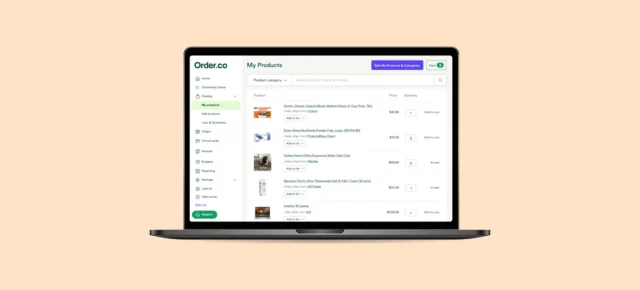
Manual procurement is costing you more than you think.
Centralize purchasing, streamline approvals, and control every order to improve compliance and lower costs in one, AI-powered platform.
Who needs full-service FF&E procurement?
Full-service procurement can be critical to success in large-scale building and refitting projects in commercial and service-based settings.
Hospitality industry renovations: In addition to maintaining daily operations, hotels, resorts, and other lodging venues routinely build out new locations and refit existing properties. These hospitality projects benefit from full-service FF&E procurement to ensure a seamless design and efficient procurement of furniture, lighting, and plumbing fixtures, consumables, and other equipment.
Corporate office fit-outs: Companies moving into new office spaces or refurbishing existing ones need a comprehensive FF&E strategy to ensure their workspace is functional, aesthetically pleasing, and aligned with their brand identity.
Healthcare facility upgrades: Hospitals and healthcare facilities updating patient rooms, lobbies, or common areas will find full-service FF&E procurement invaluable for balancing comfort, functionality, and regulatory compliance.
Retail store launches: Retailers opening new locations or revamping current stores require a cohesive approach to FF&E to create inviting shopping environments that reflect their brand image.
Restaurant makeovers: Establishments in the food service industry seeking to create unique dining experiences benefit from full-service FF&E procurement for selecting the right fixtures, furniture, and kitchen equipment to complement their culinary theme.
Event space design & setup: Venues hosting conferences, weddings, or exhibitions need tailored FF&E solutions that adapt to different themes and client requirements while ensuring comfort and style.
Where to source vendors for FF&E projects
Sourcing high-quality vendors for FF&E projects is vital to achieving the desired atmosphere and functionality. Having the right suppliers ensures fixtures, furniture, decor, and consumable products meet the aesthetic customers expect while providing good value. Vendor selection impacts customer satisfaction, brand image, and project success.
- Group purchasing organizations (GPOs): Group purchasing organizations leverage their members' collective buying power to create a strategic sourcing advantage. Since GPOs often have pre-negotiated contracts with a wide range of vendors, they can create significant cost savings without compromising quality or selection. While these benefits are attractive, it’s also important to understand the limitations of the GPO model.
- Online platforms: Online marketplaces and vendor platforms may simplify sourcing FF&E suppliers by offering multiple options in one place. They help businesses compare prices, quality, and customer reviews to ensure informed decision-making. Some platforms also have features for procurement teams to visualize products in a space, direct negotiation and request for proposal (RFP) options, and tools that track payments and orders.
- Trade shows and publications: Trade shows and publications offer industry-focused methods for finding potential supply partners. At trade shows, FF&E stakeholders can engage directly with vendors, check out their products, and have real-time discussions about project needs. Trade magazines and reports also offer valuable insights by highlighting industry trends and supplier news. Engaging with these resources helps businesses stay informed when seeking reliable FF&E suppliers that meet project requirements.
- Procurement platforms: Cloud-based procurement services streamline the FF&E sourcing process by offering a comprehensive online marketplace where businesses can find and connect with suppliers. These platforms allow for quick product and price comparisons for informed decision-making. They aid in direct vendor communication, RFP management, and order tracking. Ultimately, procurement technology ensures a more transparent, competitive process that leads to better outcomes for hospitality FF&E.
Manual procurement is costing you more than you think.
Centralize purchasing, streamline approvals, and control every order to improve compliance and lower costs in one, AI-powered platform.
The top FF&E procurement companies of 2026
FF&E procurement companies offer a range of tools designed to cater to the specific needs of hospitality businesses. They include specialized platforms focused solely on furniture or equipment and more comprehensive solutions that cover the full spectrum of FF&E needs.
The best options offer a variety of high-quality products across categories, acting as one-stop shops that adapt to changing project needs without sacrificing quality or value. They also provide end-to-end procure-to-pay services to help organizations manage orders and payments.
1. Order.co
Order.co offers a full suite of features to help hospitality brands build out their FF&E projects across categories and property locations. For growing hotel brands (like Lark Hotels), Order.co offers dynamic, curated catalogs of the best goods, furniture, equipment, and decor. Its user-friendly interface and cloud design ensure every stakeholder working on an FF&E project can maintain consistent presentation and quality while taking advantage of competitive pricing.
Pros
- The platform allows purchases from current vendors through a vendor–agnostic API.
- Finance can consolidate payments across vendors to pay for multiple orders within a project at the same time.
- The centralized approach to procurement allows buyers to order goods for several locations while maintaining invoicing and payment functions in one place.
- The spend analysis feature helps project teams understand granular costs while still providing an at-a-glance view of spending and full budgetary control.
- The system helps find replacements during stockouts, ensuring consistency in every property's and project's design and customer-facing presentation.
- Users can access up to $500,000 in working capital through Order.co Financial Offerings.
Cons
- Some reporting options are currently under development. The team is making constant improvements to the reporting function to support every vertical.
- The platform doesn’t offer design or clipboarding functionality for the visual design components of an FF&E project.
2. Fohlio
Fohlio is an FF&E procurement platform designed to streamline the sourcing, specification work, and order management process for architects, interior designers, and other facilities professionals. With its comprehensive database and intuitive design tools, Fohlio aims to transform how industry professionals handle fixtures, furniture, and equipment from project inception to completion.
Pros
- The platform offers a web clipper that allows users to pull together design ideas for the project.
- Its digital library is helpful for creating spec sheets for visual referencing.
Cons
- Larger projects may cause the load speed to slow down.
- Users report that it’s difficult to cancel and receive a refund or adjustment for unsatisfactory performance.
- Users also report platform glitches like duplicate products, lost product information, or incorrect spend calculations.
3. Avendra
This hotel-focused supply chain management tool simplifies how hotels and other hospitality venues manage FF&E procurement. It offers specialized features to oversee suppliers, inventory levels, and equipment lease contracts for big-ticket items like elevators and escalators. The platform helps FF&E procurement specialists manage costs and optimize daily operations in categories like food service, housekeeping, and shipping.
Pros
- Avendra features a procurement module (iBuyEfficient) as part of procurement management.
- It helps procurement specialists manage operating supplies, FF&E purchasing, and service contracts.
- Avendra offers integration with other popular hospitality software services and tech stack options.
Cons
- Not much information about iBuyEfficient is available without speaking to a sales manager.
- There is no top-level view feature for property location POs.
- The system does not currently allow users to track the receiving status of orders.
4. Houzz Pro
Houzz Pro is an all-in-one business management and marketing platform for renovation and design professionals. This comprehensive software tool offers an array of features aimed at streamlining project management, enhancing client collaboration, and boosting online visibility. With tools for generating detailed proposals, creating accurate estimates, and managing invoices effortlessly, Houzz Pro simplifies the financial aspects of projects. It has integrated CRM functionality to help users track leads and communicate with clients. It also integrates marketing solutions like premium directory listings and targeted local advertising to help professionals increase reach and grow their businesses.
Pros
- The price point for the platform is competitive for the features included.
- Its estimating and invoicing tools are user-friendly and straightforward.
- Users like the CRM feature, especially for design-heavy brands like interior designers.
Cons
- Customer service is hard to reach and not as helpful as some users would like.
- The platform is difficult to navigate until you get the hang of it.
- Pricing is not as competitive from a lead generation standpoint.
5. Sigma Sourcing
Sigma is a hospitality procurement tool and full-service FF&E and OS&E procurement company serving hotels and industry brands that need design, hotel budgeting, and procurement management tools to complete large-scale projects. It incorporates many features needed within FF&E, including competitive bid management, room matrix budgeting, and design import tools.
Pros
- The platform's mobile app offers easy access to its most popular features.
- It offers vendor payment options for processing invoices and tying those payments to active projects.
- The tool has advanced budgeting features for estimating costs by room type for large FF&E projects such as hotel builds or refurbishment projects.
Cons
- The platform is best for large projects that need complex build-out management and client-side reporting capabilities.
- Room matrices are great for hotels and residential rentals but may not be flexible enough for other types of projects.
6. BirchStreet
The BirchStreet platform provides end-to-end procurement solutions for businesses that build and refresh hospitality spaces, including large hotel chains with many locations. The tool offers many features typically found in standard procurement platforms, such as automatic matching, invoice management, payment processing, and report generation. It also has additional functionality relevant to the hotel and service industry, including recipe management and detailed inventory control.
Pros
- BirchStreet allows users to manage large FF&E project purchases.
- The platform supports direct purchase orders with select vendors.
- BirchStreet is compatible with multiple forms of purchase and payment, including RFQs, RFPs, POs, and invoices.
Cons
- There is no trial or demo available, making it more difficult for small businesses to test the platform before subscribing to it.
- Some users find its reporting capabilities limited.
- The UI is difficult to navigate and requires initial training.
How Order.co solves persistent procurement challenges
Procurement of any kind is fraught with pitfalls, from sourcing the right goods to getting payments out on time. Order.co makes it easier to centralize and manage every aspect of procurement, whether for routine administrative needs or large-scale FF&E projects.
Order.co helps procurement teams:
- Purchase from any vendor through a vendor–agnostic API, PO process, or even phone and fax
- Consolidate payments across vendors to pay for multiple orders within a project
- Buy goods for various locations with centralized billing
- Access working capital for large-scale projects
If your project needs to manage procurement from end-to-end while maintaining full visibility across locations and project stages, schedule a demo of Order.co.
FAQs
Get started
Schedule a demo to see how Order.co can simplify buying for your business.
"*" indicates required fields