Electronic billing (eBilling) takes the manual effort out of getting payment from buyers and paying your suppliers for the goods you need. By paying electronically, you eliminate paper bills and checks, cumbersome mail postage and shipping, and potential issues from missed or late payments. And electronic invoices arrive on time, every time, without potential losses or delays.
Using an eBilling system to track and report on payments also gives businesses added visibility and budgetary control. It takes the hassle out of paying people or getting paid and eliminates manual research and spreadsheets in favor of electronic bill payments, invoices, and orders. This frees up considerable hours for your AP and AR teams, allowing them to get caught up and even tackle the “someday” projects.
This article walks you through the basics of using an eBilling system, including its benefits and the steps you’ll need to bring an eBilling system online within your organization.
Download the free ebook: How Automation Can Solve Finance Teams’ Biggest Challenges
What is eBilling?
Electronic billing, called eBilling, refers to sending bills and invoices over the Internet, eliminating the need for paper documents. It allows businesses to transmit bills directly to customers via email, a web portal, or other electronic means. eBilling makes it easier, faster, and more convenient for customers to receive, review, and pay their bills.
Besides the efficiency benefits of electronic bills, electronic payments offer an eco-friendly alternative to traditional billing. They reduce the environmental impact associated with printing and postage to pay bills. They also streamline billing processes and increase procurement visibility.
Are eBilling and eInvoicing the same thing?
While eBilling and eInvoicing are often used interchangeably, they refer to two distinct activities within the broader scope of electronic document transfer. Both eInvoicing and eBilling help businesses move from paper invoices to digital financial transactions.
eInvoicing: Electronic invoicing specifically involves sending an invoice from a supplier to a buyer after the delivery of goods or services. The invoice might come through an electronic document interchange (EDI), via an API, payment portal, online marketplace service, or even an email with a PDF.
eBilling: Electronic billing extends beyond invoicing, covering the entire billing process, including paying invoices electronically. A procurement system like Order.co allows you to pay all your invoices through a consolidated billing system, regardless of how your vendor prefers to receive payment.
How Automation Can Solve Finance Teams’ Biggest Challenges
Discover how WeWork automated finance and accounting tasks to support global expansion, reducing their team's AP burden to save time and money.
The benefits of eBilling
The financial and operational benefits of electronic billing make its implementation well worth the effort. Electronic billing allows you to save money on every purchase, reduce the time spent conducting accounting activities, and get the most out of the data and insights in your procurement practice.
Consider using an eBilling system to unlock the following benefits:
Cost savings: An electronic billing system significantly reduces the costs of paper billing. It eliminates potential cash leaks due to late fees and lost discounts, saving businesses substantial cash every year.
Time efficiency: Processing invoices electronically speeds up the accounts payable workflow. It allows instant bill delivery and faster approval cycles, reducing the time from invoice receipt to payment.
Error reduction: Manual billing has a high potential for introducing human error due to hand-keyed data entry. An electronic billing system eliminates manual processes and enables error-checking capabilities that reduce mistakes. This leads to fewer disputes and delays from billing errors. It also frees your accounting team from the frustration of researching billing issues.
Enhanced security: An electronic invoice and billing system provides better security than paper billing. With an electronic system, sensitive financial information is encrypted and transmitted securely. This provides the right financial controls to reduce risks like procurement fraud.
Accessibility and convenience: Digital invoices are accessible through the billing system from anywhere, offering the sender and receiver convenience. This accessibility also facilitates better invoice tracking and management.
Cash flow management: With faster processing times and real-time visibility into payment statuses, businesses can manage their cash flow effectively. This helps businesses plan and forecast financial positions with greater accuracy.
Process automation: Many electronic billing systems offer automation features that streamline invoicing. Automation eliminates manual tasks, reduces workload, and improves overall efficiency in accounts payable operations.
Data analytics and reporting: An electronic billing system often includes analytics tools that provide insights into customer spending patterns and vendor performance. This data is valuable for strategic decision-making and optimizing cash savings.
By adopting electronic billing for paying AP invoices, businesses can leverage benefits that enhance operational efficiency, reduce costs, and promote sustainability.
Setting up procurement for eBilling
The more of your vendors that use eBilling, the better and more efficient your procurement process will be. More businesses are starting to understand the power of automation to free them from the traditional procurement challenges. Over 50 percent of businesses are pursuing large-scale adoption of cloud-based procurement processes to bridge the gap.
Use the following steps to set your organization up with a procurement and eBilling system:
1. Collect your procurement information
Collecting procurement and vendor information is a crucial first step in automating the procurement process. This involves gathering comprehensive details about your vendors, including their contact information, payment terms, historical purchase data, and existing contracts or agreements. It also means compiling a list of frequently purchased items, their specifications, and preferred suppliers for each category.
Pulling together all your vendor and invoice info helps you create a complete database that electronic billing systems use to automate procurement tasks. A well-structured platform streamlines purchase order creation, invoice matching, and payment processing. Automated procurement workflows reduce manual and human error and improve the efficiency of accounts payable operations. Additionally, having a centralized repository of this information facilitates better communication with vendors and enables more strategic sourcing decisions.
2. Build a procurement process
Strong procurement relies on consistency, transparency, and accountability for each transaction. A well-documented process outlines the procurement cycle's key stages, including:
- Identifying needs
- Researching and selecting suppliers
- Negotiating contracts
- Creating purchase orders
- Processing invoices
- Making payments
When building the procurement process, be sure to fully outline the expectations at each stage of the purchase process. Detail required tasks, outline parameters and rules for sourcing and buying goods, assign review responsibilities, and set decision-making criteria. Include parameters for evaluating suppliers, considering price, quality, delivery reliability, and alignment with your company's values or sustainability goals to ensure value and foster good vendor relationships.
In addition to a documented policy, consider using intake templates and forms for uniform documentation and communication. You can standardize requisition forms, supplier evaluation forms, purchase orders, and contracts.
Once established, build a system for assessing and optimizing the process. Be sure to take stakeholder feedback into account as well. A comprehensive, documented procurement process will lead to smoother operations, cost savings, better vendor relationships, and improved compliance.
3. Establish an approval process
A robust purchase approval process ensures all purchases align with the company's broader financial, legal, and safety objectives.
Begin by defining clear thresholds for different levels of purchasing authority to ensure that purchases of varying sizes receive the appropriate level of scrutiny. For instance, smaller, routine purchases may only require manager approval, while significant investments necessitate review by the finance department and top management.
The purchase approval process should also include a review workflow to assess each purchase against legal compliance, financial viability, and compliance risks. This involves checking contracts for legal protections, evaluating the financial impact of the purchase on budgets and cash flow, and assessing any potential vulnerabilities introduced by outside vendors or their products.
By implementing a structured approval process, your organization minimizes risk, keeps spending in line, and upholds company standards across all purchasing activities.
4. Onboard vendors to the system
Onboarding vendors to the electronic billing and procurement system lets stakeholders get what they need while enabling efficient invoice and payment processing.
To onboard vendors, collect contact details, payment preferences, and tax identification numbers as identified in the steps above. Get them set up within the procurement and electronic billing system in the best way, whether through direct integration, API setup, marketplace integration, or email billing.
Some platforms, such as Order.co, even allow you to use offline vendors and manage the purchase and vendor management process from within.
How Automation Can Solve Finance Teams’ Biggest Challenges
Discover how WeWork automated finance and accounting tasks to support global expansion, reducing their team's AP burden to save time and money.
"*" indicates required fields
Ensuring an eBilling system meets your compliance needs
Financial compliance features ensure your financial operations align with internal and external requirements and standards. These features help enforce adherence to various laws, regulations, and guidelines that govern financial transactions, tax obligations, and record-keeping practices.
Compliance features allow you to create accurate, beneficial financial reports for stakeholders like investors, customers, and regulatory bodies. They demonstrate a commitment to transparent and accountable financial management. They also aid in detecting and preventing procurement fraud by establishing secure and verifiable processes for invoicing and payments. Financial compliance features avoid unnecessary risk, enhance operational integrity, and secure data within your procurement process.
Get the best of electronic billing and procurement features with Order.co
Procurement is becoming increasingly complex. With the right system, you give your stakeholders the freedom to independently fulfill their supply needs while keeping spending and payments in control.
From sourcing to settlement, a next-generation procurement system like Order.co integrates the best features of an electronic billing system into a procure-to-pay purchasing platform that takes the burden off teams’ shoulders.
Effortlessly manage payments and leverage your accounting as a strategy for growth. Request a demo of Order.co today.
Get started
Schedule a demo to see how Order.co can simplify buying for your business.
"*" indicates required fields
How to use our packaging cost calculator
Use the packaging cost calculator below to estimate costs for product packaging, including the following fixed and variable costs:
- Design
- Construction and labor
- Materials
- Packing components
- Shipping
- Storage
The cost calculator is flexible enough to estimate the cost of different package materials and components of the total packaging cost. It can also show packaging costs for different configurations and review packaging as a percentage of product pricing. It allows you to see at-a-glance totals for each packaging type.
To download the packaging cost calculator:
- Click here to access the Google Sheets template.
- Save a copy of the template to create your own product configurations and cost tracking.
- Fill in the columns with estimates or quotes. Calculations will appear in the totals columns.
Summary:
- Packaging cost calculators provide quick, accurate estimates of fixed and variable expenses, supporting effective budgeting and spend control.
- Assess product requirements, protection, and brand impact to determine if custom solutions deliver sufficient value over standard options.
- Standardized packaging and lightweight materials help lower material and shipping costs, directly improving your bottom line.
- Order.co simplifies packaging sourcing, vendor management, and expense tracking, empowering businesses to scale operations efficiently.
Download the free tool: Packaging Cost Calculator
Do you need custom packaging?
Suppliers offer a lot of options for creating custom packaging. But before you begin making branding decisions on an expensive custom design, it’s important to know whether custom is the right move for your needs.
The first step to estimating and controlling packaging costs is knowing whether off-the-shelf packaging could work for your project. Understanding product sizes, specifications, value, categories, and markets can help you choose between prefab options and custom work. A cost calculator makes it easy to see how custom versus standardized varieties affect package presentation, quality, and shipment protection.
Answer the questions below to determine if custom packaging is the best choice for your needs:
What product type are you packaging? Packaging for different types and categories of products varies widely. Certain categories of products, such as cosmetics, foods, or age-restricted substances, may require packaging that meets regulations for tamper-proofing (such as a freshness seal), access restriction (such as child-proof lid systems), or food-grade presentation. Depending on the type of product and its shelf life, durability, sensitivity, or cost, there may not be an off-the-shelf packaging solution available.
What are the product dimensions? Knowing the precise size of shipped items can help determine if standard packaging options are suitable or if custom sizing is necessary. Items that don’t fit into standard packaging sizes will need customization. Sizing considerations can also help streamline packaging into fewer types to avoid needing a separate package (and its associated design costs) for every product or purpose. Shippers will also want to account for display needs, such as hang-tag packaging for hanging presentations.
How much product protection do you need? Delicate items or products prone to damage may require customized protective packaging like thermal shrink wrap to maintain their condition in transit. Other protective options include waterproofing, insulation, or security seals for perishable or temperature-sensitive items.
Do you need custom graphic design? Custom packaging offers opportunities for unique branding, which can elevate customer experience and brand recognition. If the packaged product is of high value, a custom design will enhance the product’s presentation quality and improve customer experience.
What is your product volume for each packaging type? Volume pricing makes custom packaging more cost-effective by providing volume-based discounts. If you ship a high quantity of items in a specific package type, custom packaging might be a more affordable option.
What shipping requirements do you have? Some packaging (for instance, a display box for a bespoke snack subscription) can double as a shipping container for certain products. In these cases, the design must meet dimensional requirements for the shipping service used. If shipping internationally, remember different countries have various regulations and standards that call for custom packaging. Understanding how (and where) packaging will be used can determine the level of packaging needs.
What are your sustainability concerns? Many customers prefer using brands with sustainable practices. Custom designs can incorporate eco-friendly materials and processes if sustainability is a priority. In some cases, eco-friendly packaging may lower the cost of packing materials.
What is your design and materials budget? Understanding financial constraints can help you tailor a custom packaging solution to meet your needs and spending requirements. With a clear understanding of packaging project requirements and budgets, you can seek high-quality suppliers to balance presentation standards, regulations, and costs.
By answering the above questions, product manufacturers, retailers, and shippers can better assess the need for custom packaging solutions that meet product needs and enhance the brand.
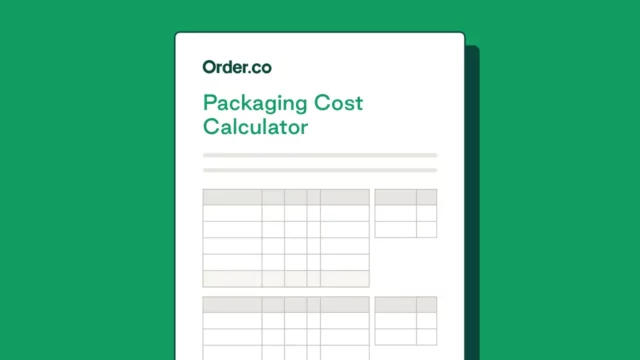
Packaging Cost Calculator
Shipping and materials purchases can make your indirect procurement costs creep up. Plan your packaging costs better with our Packaging Cost Calculator.
How to quickly estimate your cost for packaging
If you’re trying to get a feel for the cost of packaging an item, this formula will give you a basic idea:
Packaging Cost per Unit = (Cost of Packaging Materials) / (Number of Units)
This simple formula doesn’t factor in considerations like design fees or volume discounting, but it can provide a good starting point for understanding how much packaging could cost for a set number of units. It provides a place to start when establishing a budget or working on product marketing.
Fixed and variable costs for packaging
Packaging quotes have several fixed and variable costs for the total price per packaging unit. For a more detailed cost assessment, you must look at the factors that make up bottom-line per-unit pricing. Some of these, like design services, stay the same regardless of order value, print run size, or purchase volume.
Variable costs, like materials selection, labor, shipping, and assembly, are directly tied to order levels. Both types of costs influence the overall expense of packaging products. Understanding the balance between fixed and variable costs helps businesses optimize their packaging strategies while maintaining efficiency and sustainability.
Fixed Costs
Structural design and prototyping: Physical package design involves creating the package's physical layout and producing initial models for testing. These costs remain constant regardless of the number of units ordered. They represent essential investments in developing a full packaging design solution tailored to specific product needs.
Graphic design and branding: Graphic design and branding are fixed costs when creating a new package type or configuration. The design lays out the visual elements of packaging, like logos and color schemes, as they appear on the package. These aspects are essential for creating a brand identity. They are considered a fixed, upfront investment.
Setup costs for printing and tooling: Printers must set up printing and tooling equipment for each custom print job. Setup costs defray the expenses associated with preparing machines and creating tools necessary for producing custom work. These upfront investments are fixed, meaning they do not fluctuate with the quantity produced. Accounting for setup costs helps ensure each unit maintains uniform quality and appearance.
Variable Costs
Cost of raw materials: Construction components of packaging, including cardboard, plastic, and ink, are necessary for packaging development. These materials represent a significant variable expense. Material costs fluctuate based on market prices and the quantity of materials required for production, making budgeting for them unpredictable.
Labor costs for assembly and packaging: These are wages paid to workers for assembling and packaging products. This variable cost is influenced by the complexity of the packaging process, the amount of labor required, and prevailing wage rates. Labor can significantly affect the total cost and varies with the scale of operations.
Shipping and handling charges for materials: Depending on supplier agreements and volume, transporting materials for packaging production, you may have to pay to transport materials to your warehouse or location for use. These expenses vary with distance, shipment volume, and speed, directly impacting costs. Efficient logistics planning can mitigate these variable costs. Lead times and processing speed may also figure into the total cost of purchasing package components.
Volume discounts: Many suppliers offer price reductions when purchasing large quantities. For packaging, this means the cost per unit decreases as the quantity ordered increases, allowing businesses to save money on bulk orders. This pricing strategy can significantly lower the overall cost for companies requiring large-scale packaging solutions.
Packaging delivery costs: These are expenses linked to transporting finished goods from facilities to their final destination. Delivery costs vary based on distance, volume, and transportation method, making them less predictable than fixed costs.
How much should small to midsize businesses spend on packaging?
Many industry sources say businesses should estimate packaging costs as a percentage of the item's per-unit cost. While some general sources reference percentages between one and 10 percent, this general guideline doesn’t accurately account for factors like item value, industry, and special protection requirements (such as waterproofing, spoilage control, or temperature protection). The packaging cost calculator helps you consider all these factors when planning a packaging project or design.
Obviously, the more you save on packaging costs and product shipping, the higher your profit margins. Managing the total cost of packaging and shipping can help maximize returns and fund critical growth.
There are a few cost-effective ways to reduce the cost of materials when designing packaging, including choosing standardized packaging and lightweight supplies.
- Pre-set box styles and standardized packaging may be an option for products of a certain category, value, or durability. Readily available standardized packaging options can provide adequate product protection in these cases. They also offer opportunities to apply branding in a more cost-effective format. Consider using some standard elements when you calculate your total cost for packaging. Blending standardized and custom details can make shipping supplies more affordable per package.
- Lighter packaging materials, like “clamshell” molded plastic enclosures, can reduce packaging costs. You can also pack items with lighter materials such as air balloons and biodegradable "peanuts." Using light, resilient, and cost-effective materials is called “lightweighting.” It saves on packaging fees as well as shipping costs. It may also have a positive impact on the environment and can attract customers who value environmentally friendly practices in their brand selection.
How Order.co makes recurring expenses easier
Packaging materials have a lot of price variability, but there are ways to save money and ensure a high-quality presentation and customer experience. The ability to estimate costs across different vendors helps companies save money on packaging products.
Order.co gives businesses access to high-quality packaging vendors so they can find the packaging materials they need. The platform makes reordering popular consumables like shipping components quicker and easier with curated catalogs. Businesses can also use Order.co to work with any vendor they already know and love. It also has easy reorder features to help you find alternatives if your usual vendor is running low.
The Order.co platform also makes AP processes more manageable for all purchases and recurring payments. With automatic purchase order processing, automated approval workflows, order reconciliation, and automatic general ledger (GL) coding, teams can leave manual processing and uncertainty behind. Order.co allows you to save time on invoice processing by consolidating 100s of invoices into one monthly bill.
Request your copy of the packaging cost calculator today. You'll get the full picture of your packaging cost and needs, plus the ability to easily calculate and track packaging spend — all in one place.
FAQs
Get started
Schedule a demo to see how Order.co can simplify buying for your business.
"*" indicates required fields
When companies are in growth mode, they often bring on a range of suppliers to meet business needs. While there’s no perfect number or type of supplier relationships, how you bring on new partners can greatly impact the experience. When done right, supplier onboarding can save money, reduce risk, and strengthen buyer-vendor relationships.
This article introduces everything you need to know about building a reliable, thorough supplier onboarding process. You’ll learn what to look for in a supplier, how to ensure you add the best vendors to your list, the steps to build a well-defined supplier onboarding process, and how technology can improve business outcomes.
Summary:
- Defining supplier requirements upfront leads to better vendor selection and minimizes onboarding challenges.
- Consolidating supplier data and order workflows on a single platform increases compliance and spend visibility.
- Leveraging procurement technology like Order.co streamlines onboarding, manages offline vendors, and optimizes operational workflows.
- Ongoing supplier performance reviews foster stronger partnerships and support ongoing process enhancements.
Download the free tool: Vendor Scorecard Template
What is a vendor onboarding process?
Supplier onboarding is the process of evaluating a vendor and bringing them online for ordering. In the supplier onboarding process, the finance or procurement team evaluates potential vendors, assesses their risk level, and integrates them into the procurement process or purchasing platform. These steps ensure quality service and a strong vendor relationship throughout the contract.
General supplier onboarding tasks include:
- Identifying potential vendors for a specific need
- Evaluating possible supply partners based on price, terms, and compliance
- Performing due diligence and risk assessments
- Setting up successful vendors in the system for future orders
The aim of vendor onboarding is to find new suppliers that meet the company's product and service quality requirements, delivery timelines, cost-effectiveness metrics, and ethical standards.
Effective supplier onboarding streamlines procurement processes and avoids costly third-party risk factors. The process allows companies to foster strong relationships with suppliers, improve communication, enhance negotiation outcomes, and boost procurement performance. It also helps companies stay competitive and agile in a swiftly changing market.
What makes supplier onboarding challenging?
A lot can stand in the way of bringing on and building relationships with high-quality vendors. Most of the challenges can be traced back to a lack of supplier data visibility or communication.
Companies that struggle with supplier onboarding often encounter the following five challenges in the supplier onboarding processes.
No vendor criteria
Without well-defined expectations, assessing potential vendors' suitability is challenging. Failing to create clear standards and requirements for new vendors may lead to teams selecting suppliers that cause delays, provide subpar product quality, or offer services inconsistent with the company's needs. A lack of vendor criteria can strain the relationship between the company and its suppliers, complicate negotiations, and make it difficult to achieve mutually beneficial agreements.
Gaps in supplier information
Scattered and incomplete supplier information makes integrating new vendors into existing systems and workflows difficult. Without comprehensive data, teams struggle to evaluate the compatibility of a supplier's services with the company's operational requirements.
This lack of information can delay supplier onboarding, as additional time is needed to gather documents like account info, contracts, or quality questionnaires. Incomplete supplier profiles can hinder effective risk assessment, exposing the company to compliance issues.
Offline vendor order processes
While many vendors employ online systems, procurement platforms, and digital marketplaces, not everyone does. Some work off emailed purchase orders, phone orders, or even faxes. Manual ordering slows transaction times and increases the likelihood of errors due to manual data entry.
Tracking and managing orders can be more difficult with offline ordering since updates aren't reflected in financial reporting without the right tools. The absence of an automated system for these processes means buyers avoid integrating offline suppliers or creating out-of-policy exceptions for working with them.
Lack of order visibility
Without a clear view of the entire procurement process, businesses struggle to evaluate potential suppliers accurately. This may introduce redundancy into the procurement process, especially when several locations order supplies outside a centralized platform.
Decreased visibility and redundant ordering mean companies lose leverage at the negotiation table since they lack data on precise order volumes, terms, and pricing. In many cases, teams end up with more vendors than they need, increasing vendor management efforts and reducing cash efficiency.
Poor AP process management
The end of a successful supplier onboarding process is the beginning of a new vendor relationship. But, fractured AP processes can add friction to relationships with new suppliers. Manual AP processes make it harder to pay vendors on time or address issues with billing, backorders, or product delivery.
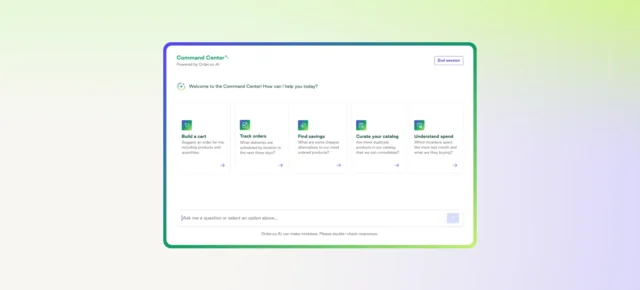
Let your team focus on what actually matters.
Order.co AI frees teams from 10+ hours of manual procurement each week and ensures smarter spending, letting you focus on driving real results.
Steps in an effective supplier onboarding process
If your business doesn’t have a formal supplier onboarding process for new vendors, building a safe, centralized process is easy. Follow these steps for every new vendor to ensure you enjoy high-quality service and beneficial long-term relationships.
1. Create a procurement policy: A procurement policy is foundational to strong supplier onboarding. It establishes clear guidelines for vendor relationships and management. Procurement policies outline procurement objectives, procedures, ethical standards, and spending guidelines for different roles and departments. They ensure consistency and transparency for all who conduct procurement activities.
2. Outline supplier requirements: Setting clear expectations for suppliers reduces service quality and risk issues. Detailing these requirements can ensure the business selects suppliers that meet its needs. It can help streamline the procurement process and foster strong supplier relationships with a smaller selection of high-quality vendors.
Requirements should define every aspect of the vendor relationship, including:
- Quality standards
- Delivery timelines
- Payment terms
- Service-level agreements (SLAs)
It's crucial to communicate these requirements upfront to avoid misunderstandings later. Specify any certifications or vendor compliance standards suppliers must meet, such as ISO certifications or adherence to sustainability standards. A vendor management checklist, supplier onboarding checklist or supplier security questionnaire is a great first step in setting expectations for bringing on new vendors.
3. Conduct due diligence: Reviewing suppliers ensures companies uncover any issues that would preclude a vendor from selection. The due diligence process includes evaluating the supplier's financial stability, reputation in the market, operational capabilities, and compliance with industry standards. It may also involve checking references, reviewing past performance records, and conducting site visits if necessary.
Using a structured vendor risk management checklist during the evaluation and approval process helps mitigate risks associated with supplier performance. This is especially important, considering over 40 percent of companies experienced impactful third-party security breaches in the last year. Due diligence ensures businesses engage with partners that contribute positively to the supply chain's integrity and efficiency.
4. Negotiate and sign the contract: Once a business identifies the right vendor, it must negotiate aspects like final pricing, delivery schedules, quality, payment terms, and confidentiality agreements. Effective negotiation ensures both parties understand their responsibilities, obligations, and noncompliance consequences. It's important to approach this process with clear objectives, flexibility, and a focus on building a long-term partnership.
5. Collect a supplier's information: Once a business signs with a vendor, it must collect necessary contact details, including primary and secondary contact points, email addresses, phone numbers, and office addresses. While some data collection can occur through direct integration, a vendor portal, or APIs, some vendors still operate via purchase order, email, or other means. A business must document these in the system and automate vendor management and payment wherever possible to capture spend data.
In addition to contact information, companies will want to collect payment information like bank account details or preferred payment methods. This data must be accurate within the system to facilitate smooth communication and transactions. It also enables fast payment, which can help companies take advantage of early payment discounts.
6. Centralize order information: Once a business begins ordering from a new vendor, it needs a centralized way to keep track of pending and completed orders. Centralizing this information helps build streamlined processes to track orders, enhance reporting accuracy, boost supply chain management, and enable spend analysis. Data consolidation allows businesses to monitor orders efficiently, generate insightful reports, and analyze spending patterns for better decisions and financial management.
7. Set up vendor performance reviews: The supplier onboarding phase is the perfect time to set up performance monitoring. Buyers who use a systematic approach to evaluate and monitor vendor quality, reliability, and overall performance enjoy fewer issues and stronger supplier relationships.
Onboarding is also a great opportunity to establish clear metrics and KPIs for assessment, allowing companies to monitor vendor performance versus pre-defined expectations. Regularly schedule reviews to enable timely identification of issues, continuous improvement, and stronger partnerships.
Let your team focus on what actually matters.
Order.co AI frees teams from 10+ hours of manual procurement each week and ensures smarter spending, letting you focus on driving real results.
Using technology to make supplier onboarding more efficient
Incorporating technology into the supplier onboarding process can streamline onboarding, making it easier and more efficient. Supplier onboarding software allows companies to automate routine tasks, such as:
- Collecting necessary documentation
- Conducting initial assessments
- Setting up vendor payments
- Conducting vendor performance reviews
- Performing spend management
Digital platforms enable seamless communication and collaboration between businesses and suppliers, ensuring parties meet requirements and timelines. A procurement management system like Order.co also supports buyers during vendor issues such as delays or out-of-stock items. With a procurement platform, buyers can quickly source a similar item from another vendor while maintaining a solid relationship with strategic sourcing partners.
A centralized platform makes it easy to route, approve, reconcile, and pay invoices. With all data in a central location, businesses can perform supplier performance reviews efficiently and ensure vendors stay compliant and competitive.
Let Order.co make the supplier onboarding process better
A procurement management solution centralizes many aspects of the supplier management process, including vendor selection, order processing, reconciliation, and payment. With Order.co, you can maintain strong relationships with strategic vendors, keep supplies in stock with fast substitutions of needed items, and process orders for every vendor you love (even if they have an offline order process). Order.co’s implementation experts make it easy to onboard your favorite suppliers.
Want to maintain great performance from all the vendors you onboard? Download our Vendor Scorecard to evaluate every supplier your organization uses.
FAQs
Get started
Schedule a demo to see how Order.co can simplify buying for your business.
"*" indicates required fields
If you need a word to summarize the economic mood in 2026, “pensive” comes to mind. After the drastic market fluctuations of 2020 to 2022, we enter the new year with an over 60 percent likelihood of recession, according to leading economists.
Tech giants, previously full-steam-ahead on fast hiring and generous salaries, are now engaged in layoffs and cost-savings measures to preserve cash flow in response to this new normal. Every business is looking at its bottom line, eager for ways to tighten spending.
“In a market environment of rising interest rates, sustained high inflation, and universal corporate belt-tightening, it’s more important than ever for businesses to get the most of their resources (time and money).” - Mark Skrapits, SVP of Operations, Order.co
As one of the largest centers of addressable spend, procurement departments need to optimize cash while still creating value for the organization. The good news for these procurement teams? There are plenty of ways to prepare for the coming year. In that spirit, we compiled the top five procurement trends of 2026 as well as tips to ensure economic stability for years to come.
Download the free ebook: Choose the Right Procurement Technology With This Decision Matrix
Top 5 procurement trends of 2026
Procurement success depends on visibility, flexibility, and human performance. The most successful procurement teams aren’t just order-takers but active partners in the success of the organization at large. Procurement professionals must explore several trends to strengthen their cash position and do more with less in the new year.
Higher standards for order matching
Three-way matching has long been a staple of well-managed purchase-to-pay processes. Matching the purchase requisition to the purchase order and final invoice creates a three-legged stool of verification. It cuts down on fraud and ensures the accuracy of data.
But three-way matching is the beginning of a better process, not the end. In 2026 and beyond, look for higher matching standards incorporating more data points along the procurement journey:
- Purchase order
- Receipt of goods
- Vendor invoice
- Confirmation of payment
- Integration to accounting record
- Financing of payment
Automated five-way matching will become the standard for mature accounting practices, with six-way matching emerging for those (like Order.co) with the platform capabilities to offer it.
Five- and six-way matching incorporate valuable enhancements into the procure-to-pay process. Automated five way matching saves time for finance and accounting teams at month-end close and reduces the need to hire additional analysts & bookkeepers as the business grows. Embedding the ability to easily spread payments out over time (the sixth match) allows finance leaders to better manage cash flow, with less effort.
Choose the Right Procurement Technology With This Decision Matrix
Find 15 must-ask questions to narrow down your software search and make your research process MUCH easier.
Tightening net terms from vendors
Only five years ago, vendors enjoyed the ability to offer extended repayment terms. Lower interest rates, better capital reserves, and generous lines of credit from lenders made it possible to extend 60-day terms to well-qualified customers without excess risk or expense.
We begin 2026 in considerably different economic conditions to pre-pandemic times. Interest rate hikes, inflationary impacts, and the looming recession push vendors to tighten their financials and improve risk management.
The consequence of these economic shifts is less wiggle room for extended terms. This will force some stakeholders to either agree to shorter terms or seek agreements with more flexible vendors.
The rise of “pay your way"
Flexible payments have become standard practice for consumer spending in the last few years. Companies like Affirm, Klarna, and Afterpay offer no- or low-interest options for making purchases and paying over time.
The same flexibility currently available to consumers will soon come to the procurement process. These “pay your way” options within established procurement platforms allow Finance to plan and adjust its spending to meet organizational goals, make the best use of cash flow, and create options for surprise expenses.
Currently, planning for contingencies means tying up cash funds in savings, keeping a line of credit, or taking a short-term loan to handle large or unexpected procurement. These methods are moderately effective but may take days to settle. As economic conditions evolve throughout 2026 and beyond, these methods will also become more costly.
A specialized payment system based on the consumer “buy now, pay later” model benefits vendors as much as buyers. Sellers can offer extended payment terms without introducing outsized expenses or risk, allowing buyers the flexibility to make needed purchases that drive forward their organizational objectives.
“B2B pay your way is going to happen inside your ERP or Procurement Software, but only with platforms that understand the finance side of procurement. You need a platform that is just as good at handling POs & invoices as it is enabling finance & accounting functions.” -Warren Brown, Head of Embedded Payments, Order.co
Full organizational alignment on spend
Talk of optimizing the procurement process often centers on C-level and director-level coordination. But to take control of addressable spend, it’s essential to consider the complete chain of users and decision-makers that move deals from requisition to completion.
In 2026, companies keen to optimize cash flow will look to full organizational alignment. This transformation regarding approach will take many forms:
- Clear and consistent documentation and communication regarding spending and budgetary guidelines
- Alignment across the organization's critical functions: Finance, Legal, Operations, Security, and Executive
- Consistent communication up the chain of command to address challenges and opportunities with the procurement process or its outcomes
- Practices and new technologies that support strong spending rationale, due diligence, supply chain management, and supplier relationships
Aligning these factors allows organizations to respond to needs and procure goods with agility and visibility. Using digital procurement solutions to drive this alignment empowers advanced methods such as strategic sourcing, sustainable procurement, and supplier performance management.
Choose the Right Procurement Technology With This Decision Matrix
Find 15 must-ask questions to narrow down your software search and make your research process MUCH easier.
"*" indicates required fields
Leveraging people + technology for results
To improve procurement strategy and streamline cash flow, it’s time to reframe the people versus software debate. Savvy procurement leaders are finding ways to enhance their workforce through procurement technology that improves business processes.
Bringing your data into an automated, organized structure facilitates the work only humans can do. It empowers finance and accounting teams to perform quick and confident decision-making, informed by access to centralized data analytics.
Contextualizing these massive amounts of data is only possible with assistance from software. Businesses may need to aggregate data from a dozen platforms to bring everything together. Using technology to unify these disparate data streams into a single source of truth makes it possible to see your entire procurement organization holistically.
“A marketplace that simultaneously connects businesses with vendors and financial partners can not only create a single source of truth for all your spend data, but it can predict and perfect things like what you are buying, how you are buying, and the way you are paying over time.” -Zach Garippa, Co-Founder & CEO, Order.co
Piper Sandler points out that integrating purchase orders, invoices, accounts payable, and general-ledger accounts data creates a more multidimensional view of external spend.
This centralization has huge implications for tackling addressable spend and cash optimization, as 40 to 80 percent of a company’s total cost is wrapped up in external spend with suppliers.
Prepare your organization for procurement success in 2026
Centralizing data and automating processes are keys to weathering economic change. A procurement platform like Order.co offers organizations real-time data, features, and flexibility to make data-informed decisions and reduce the manual management of their procurement function.
- Centralized procurement with automation that enables future-ready matching across the p2p cycle
- Approval and role-based purchasing guidance to ensure every purchase is fully vetted and compliant with documented policy
- Features for accounting process improvement, reduced manual work, stronger spend analysis, and fast and flexible payments to vendors
If your procurement function is ready to make future-focused improvements to ensure stability through 2026 and beyond, request a demo of Order.co.
Get started
Schedule a demo to see how Order.co can simplify buying for your business.
"*" indicates required fields
Procurement can get cumbersome as companies grow. As the number of vendors and invoices increases, managing everything in a spreadsheet becomes inefficient and error-prone. To stay ahead, you need a reliable, scalable system.
But where do you start? And how can you make sure your procurement process actually delivers results?
This article covers the most important aspects of a solid, repeatable process. You'll find practical guidance on managing expenses, avoiding pitfalls, and strengthening your procurement process. You'll also learn which KPIs offer the clearest insights into your procurement performance.
Download the free tool: Procurement KPI Tracker Template
What is procurement?
Procurement means sourcing, buying, and paying for the supplies your company needs. It’s a mission-critical business activity that helps you run efficiently while keeping your staff productive and effective.
Good procurement management is a cost-saving measure, too. It helps you save money through strategic buying, optimize payment processes to improve buyer relationships, and shorten ordering and delivery cycles.
Difference between indirect, direct, and service procurement
Most businesses rely on three types of procurement. Each calls for different methods of cost control and management:
- Direct procurement: Purchases tied to production, including raw materials, equipment, resale items, or other manufacturing supplies
- Indirect procurement: Goods that don’t tie back to a specific product, like office supplies, fixed assets (desks and computers), facilities management items, and software tools
- Service procurement: Hired services that support direct or indirect business needs, such as legal support, contract-based workers, and managed services like security, IT, or facilities
Procurement KPI Tracker Template
Download our free Procurement KPI Tracker Template today to monitor essential procurement numbers and demonstrate value in your procurement strategy.
The 3 stages of the procurement process
Procurement is an end-to-end process with three distinct phases:
- Sourcing: Identifying a need, looking for a product or service to fulfill it, and selecting the supplier that's the best fit
- Purchasing: The actual “buying” part of procurement, where you negotiate with a supplier, submit the order, receive the goods or services, and rate delivery quality and compliance
- Payment: Finalizing the transaction through reconciliation tasks like three-way matching (between the invoice, PO, and requisition), approving the invoice for payment, and issuing payments according to agreed-upon terms
10 steps in a successful procurement process
Most procurement systems follow a simple progression of awareness, selection, and completion. Follow these 10 basic steps to ensure visibility, control, and efficiency in every order:
1. Outline your product needs
Define what you need, such as office supplies, equipment, or software, and specify required features, quantities, and your anticipated budget. Clear parameters help create a solid foundation for an effective procurement process.
2. Submit a purchase requisition
Fill out a purchase requisition or intake form with the requirements you identified in step one. This formal purchase request should include all the necessary details to source, order, and pay for the goods.
Depending on the purchase, you might also suggest a few options for potential suppliers. For instance, if it’s for software, you could include three tools for the procurement team to evaluate.
3. Get the green light from departmental approvers
Route the order through a well-defined, departmental approval process, which may include department heads, legal, IT, or security teams. These approvers help ensure the purchase meets compliance, policy, and security standards.
This step is especially important when working with new suppliers.
4. Receive sign-off from Finance
Once department approvals are complete, send the request to the finance team for final approval. For small or one-off needs, they may authorize a spot buy and allow you to place the order. For larger, contract-based purchases, the finance or procurement department may take over to handle contract negotiations.
5. Put out a request for quotation (RFQ) for large purchases
For large or strategic purchases, such as high-volume goods, consulting services, or software, prepare an RFQ or RFP (request for proposal) to solicit competitive bids. This approach, sometimes called “three bids and a buy,” lets suppliers submit a quote for consideration so you can choose the best price, terms, and timeline. Depending on the purchase, you might limit the RFQ to preferred suppliers as part of a strategic sourcing program.
6. Negotiate with your chosen supplier
Once you select a supplier, the procurement team finalizes prices and payment terms. After both sides agree on the particulars, you sign the contract and send over a purchase order to formalize the agreement.
7. Receive and confirm goods
When the order arrives, your receiving department checks it for quality, quantity, and compliance with the PO. If something’s not right, you'll work with the supplier to resolve the issue and log the problem for use in future supplier performance evaluations.
8. Check accuracy with three-way matching
From here, your accounts payable (AP) team takes over. They use three-way matching to make sure the details on the purchase requisition, purchase order, and invoice align. This helps prevent errors, duplicate payments, and fraud.
9. Set up invoices for approval and payment
Once AP confirms the match, they code the expense to the correct general account and schedule payment according to the negotiated terms. If you use a procurement platform like Order.co, much of this process, including matching, coding, and payment, is automated. Procurement software greatly reduces manual processing to save time and labor expenses.
10. Record purchases for reporting and month-end close
AP logs the transaction to support month-end close. Recorded purchases create a source of truth for financial planning, budgeting, contract compliance, and spend analysis.
Procurement pitfalls to avoid
Procurement has a lot of moving parts, and failing to address certain issues can undermine the entire process. Reduce or eliminate these common procurement pitfalls to keep your process efficient, compliant, and cost-effective.
Relying on manual processes
Manual procurement and invoice processing might seem less expensive up front, but it often costs more in the long run. Manual management leads to errors, inefficiencies, and delays in orders and payments. Automating the purchasing process through software solutions minimizes these problems by keeping data accurate and visible, helping your AP team accomplish more in less time.
Ignoring supplier management
Even if your procurement relationships appear to be working well, you need to look at spend data to really know. Failing to assess and monitor your suppliers can lead to lower quality service, inferior goods, supply chain disruptions, and compliance risks. Establish and maintain strong relationships by conducting regular evaluations and communicating with sellers to fix issues.
Neglecting data analysis and reporting
Visibility is everything in a high-performing procurement system. Without proper attention to data analysis and reporting, you may miss cost-saving opportunities, misjudge supplier performance, or make decisions based on incomplete information. Procurement platforms can help eliminate data silos and provide valuable insights through real-time reporting and spend analysis.c.
Procurement KPI Tracker Template
Download our free Procurement KPI Tracker Template today to monitor essential procurement numbers and demonstrate value in your procurement strategy.
"*" indicates required fields
5 tips for improving your procurement processes
There are many practical ways to enhance your operations, reduce costs, and improve the buying experience for your team and your suppliers. Consider implementing these five strategies to take unnecessary time and expense out of your procurement process.
- Build a clear buying policy: Create a detailed buying policy that sets clear guidelines for what to buy, how to buy it, and which suppliers to buy it from. Use your policy as a blueprint to guide procurement decisions and ensure every purchase aligns with your budget and quality standards.
- Create an approval workflow: Establish a purchase approval process that outlines which departments must review purchases and spending limits. This ensures purchases are intentional, authorized, and compliant with company policy. Approvals reduce or eliminate maverick spend while helping you stay within budget.
- Establish preferred vendors: Work with a curated list of preferred vendors to eliminate time and uncertainty in your procurement process. Using trusted suppliers whenever possible boosts quality and reliability while also helping you secure better terms or volume-discount pricing.
- Strengthen supplier relationships: Develop long-term partnerships with vetted suppliers to add stability to your supply chain. Good communication and regular review of supplier performance can help you solve issues collaboratively and maintain high standards for quality and service.
- Use technology to make buying easier: Integrate a procurement tool to make your procurement process faster and easier. An intuitive platform like Order.co offers automated workflows, advanced AP automation, and AI-powered sourcing features to simplify selection and purchasing for better efficiency and cost savings.
Track your procurement process with the best KPIs
One way to improve your procurement strategy is to track metrics. Key performance indicators (KPIs) help you measure the outcomes of your procurement activities and identify areas for improvement. Monitoring the right KPIs can shorten procurement cycles, reduce problems, and boost your bottom line.
Some core KPIs to consider tracking include:
Cost per invoice (CPI): This is the cost to process a supplier invoice for payment, and it tells you how efficient your payment process is. Manual invoice processing often leads to higher CPI, with averages reaching up to $10.89 per invoice, according to the American Productivity and Quality Center (APQC). Automation lowers CPI by speeding up processing and reducing errors.
Invoice exceptions: Exception rates indicate the percentage of invoices with coding, processing, or payment errors. Exception rates average around 14% for most companies. If your rates are higher, it may suggest problems in your invoice and payment processing workflow. As with CPI, automation significantly reduces exceptions to keep AP running smoothly.
Emergency purchases: This is a measure of how many unplanned spending events occur within a month, quarter, or year. Frequent emergency buys could mean you have problems with project planning, budget, or the requisition process. Reducing rush buying helps you avoid costly, second-order outcomes like maverick spending or overpriced purchases from high-risk suppliers.
Vendor defects: This quantifies the percentage of damaged or non-conforming items in a delivery. A high defect rate could point to quality issues and may signal the need to reevaluate your vendor relationship.
Procurement lifecycle: This is how long it takes to get from purchase requisition to settlement. Long lead times can cause disruptions in your business and create cash leaks, while a shorter lifecycle can make your operations more efficient and help you plan cash flow more effectively.
Improving procurement process outcomes with automation
Refining and tracking your procurement process and KPIs helps you discover areas for improvement, but you don’t have to do it all in a spreadsheet. In fact, you shouldn’t. The right intelligent procurement solution saves time, reduces errors, and scales with your business as it grows.
With Order.co, you get the tools to build a well-defined, efficient, and repeatable procurement process:
- Strategic sourcing through curated supply catalogs and access to over 15,000 vendors for every supply need
- Vendor-agnostic buying that lets you work with any supplier, online or offline
- Process automation for all your most important procurement workflows, from intake and purchase approvals to invoice processing and settlement
- Centralized supplier information to help you manage and improve vendor relationships
- Robust reporting tools that break down data silos and create full visibility into your procurement for better KPI tracking and spend analysis
Move away from tedious and error-prone manual processing and take control of your purchasing with an easy-to-use platform built for scale. Schedule a demo today to learn how Order.co simplifies procurement from end to end.
Get started
Schedule a demo to see how Order.co can simplify buying for your business.
"*" indicates required fields
Every organization engages in some level of procurement strategy, whether using an ad hoc system or administering a comprehensive and well-documented procurement practice. While the specifics of managing and tracking procurement spending may vary, how the process is defined shouldn’t.
But how do organizations define procurement? And is the definition important to company success?
To answer these questions, we’ll help you gain a clear understanding of procurement, including:
- What it is, its importance to your business, and the steps necessary for building a successful procurement strategy
- How using procurement technology can significantly reduce the time and expense of procurement management
- How to improve the procurement cycle in your organization
- Real-world examples of how Order.co helps fast-growing companies achieve streamlined and automated invoice and procurement management
Quick answer:
In a hurry? We've summarized the main points of this article as well as what to expect from it:
- Procurement optimizes costs and increases operational efficiency for businesses of all sizes.
- Automation and AI-powered solutions simplify procurement workflows and deliver actionable spend analytics.
- Incorporating ESG criteria into procurement supports sustainability goals and enhances brand reputation.
- Standardized procurement processes, from requisition to payment, reduce risk and strengthen supplier partnerships.
Download the free ebook: Spend Analysis Toolkit
What is procurement?
Procurement is the process of sourcing, acquiring, and paying for goods and services. While many organizations use terms like ‘procurement,’ ‘purchasing,’ and ‘sourcing’ interchangeably, these are different components of the total procurement function.
How does procurement differ from purchasing?
While procurement focuses on the end-to-end sourcing and acquisition of supplies, purchasing focuses on ordering and delivery. Procurement management includes all activities that support supply management and acquisition, including:
- Strategic sourcing
- Negotiation and contracts management
- Order approval and fulfillment
- Invoice processing and settlement
- Analysis of procurement data
- Spend management and budgeting
Why is procurement important in business?
Every business requires goods and services to achieve its desired outcomes. Whether software for communication, raw materials for making products, or services to maintain facilities, selecting supplies to keep an organization running is an expensive and time-consuming task.
The primary mission of a procurement department is to acquire necessary goods at the best prices and terms. Procurement professionals also specialize in building supplier relationships, negotiating advantageous contracts, and streamlining procurement workflows.
An effective procurement process helps organizations increase cost savings, eliminate wasteful spending, and optimize budget allocation. Automation further enhances savings, and it can help businesses cut processing costs by $13 or more per invoice. These types of efficiencies drive business growth and help insulate organizations against economic downturns.
Spend Analysis Toolkit
Unlock savings, improve supplier relationships, and make smarter procurement decisions with clearer spend insights. Download the ebook to get started.
Types of procurement
Companies must engage in different types of procurement to meet business needs and immediate goals. These include direct procurement, indirect procurement, goods procurement, and services procurement.
Services procurement: Non-tangible purchases, such as consulting services or facilities repair, fall under services procurement. This category also includes software, with software as a service (SaaS) increasingly becoming one of an organization's most significant service-based expenditures.
Direct procurement: This is the acquisition of goods and services directly related to production. Examples include the raw materials, software, or services that directly support the making of your company's products.
Indirect procurement: indirect procurement is not directly related to producing goods. It includes office supplies, internal communications software, and facilities services not connected to a specific product offering.
Goods procurement: Goods procurement refers to any tangible object purchased, whether finished or unfinished. Raw materials, office supplies, desks, and other physical products are considered goods procurement.
How procurement works
Procurement often accounts for one of the largest portions of revenue spending, so it’s essential to monitor its expenditures carefully. Strong procurement management is one of the most critical components of an organization’s financial health.
The procurement team is responsible for continuously administering and improving the procurement process. Optimizing the procurement lifecycle typically requires cross-departmental efforts with oversight from finance, legal, IT, and supply chain management stakeholders.
While there are many stages of the procurement process, most procurement and purchasing activities fall into one of a few general categories.
Planning: The planning phase includes establishing budgets for departments or teams. The forecasting process happens in cooperation with the finance team and departmental stakeholders.
Sourcing: Sourcing encompasses competitive analysis of current and potential strategic sourcing partnerships to identify the best suppliers for company needs. This evaluation process is conducted in conjunction with department heads and purchasing approvers.
Acquisition/payment: This stage includes ordering, reconciling, and paying for goods and services that meet organizational needs while maintaining spending control. Close attention to prices and terms ensures the best quality products at competitive rates and under favorable conditions.
Evaluation: Evaluation means using past performance and current data to strengthen supplier relationships, prepare for future spending, and uncover further cost savings to improve the bottom line.
Spend Analysis Toolkit
Unlock savings, improve supplier relationships, and make smarter procurement decisions with clearer spend insights. Download the ebook to get started.
"*" indicates required fields
Sustainability in procurement
Sustainable procurement has gained significant traction as organizations recognize the strategic and social importance of minimizing their environmental impact. This trend reflects a broader shift toward sustainability in global business practices, where companies evaluate suppliers not only on price and quality but also on environmental and ethical standards.
Sustainable procurement integrates green practices and environmental, social, and governance (ESG) criteria into purchasing decisions to minimize harmful impacts on the planet and society. By adopting sustainable procurement activities regarding more efficient resource use and waste reduction, businesses can realize long-term cost savings, enhance their brand reputation, foster innovation, and contribute to global sustainability goals.
- Fuel optimization: Optimizing shipping routes and using green fuels helps reduce climate impacts.
- Energy efficiency: Evaluating the energy consumption and efficiency of products and services helps reduce carbon footprints.
- Waste management: Assessing suppliers' waste reduction, recycling, and disposal practices minimizes environmental impact.
- Sustainable materials: Giving preference to renewable, recyclable materials lowers environmental impact over a product's lifecycle.
- Ethical labor practices: Ensuring suppliers uphold fair labor practices, including worker rights, leads to safer working conditions.
- Carbon footprint: Considering the total greenhouse gas emissions caused directly or indirectly by an organization or product improves its overall impact profile.
- Water conservation: Assessing water usage and conservation efforts in production processes reduces water waste and environmental impact.
How procurement is tapping AI
The power of automation makes many aspects of work faster and easier, and procurement is no exception. Procurement professionals are now using AI to automate routine tasks, enable data-driven decision-making, and enhance supplier management. The speed and accuracy of AI-powered workflows significantly streamline procurement operations and increase overall efficiency.
Cost comparison: AI can quickly compare the price and total cost of products to ensure you get the best per-item cost on commonly used items.
Stockout replacement sourcing: AI makes it easier to locate exact or similar items in cases of stockouts or insufficient quantities. It also makes it easier to see the total cost of these replacements, including shipping and fees.
Supplier performance management: An AI tool can centralize and simplify the supplier lifecycle, optimizing partnerships and ensuring efficiency using real-time data and predictive analytics.
Invoice processing and payment: AI transforms invoice reconciliation and processing by automating invoicing tasks, reducing errors, speeding up transactions, and automating vendor payments.
Spend analytics and budgeting: Spend analytics platforms incorporate AI into the analysis process, providing insights into expenditure patterns, savings opportunities, and budgeting accuracy.
Steps in the procurement process
Procurement practices are most effective when they follow a repeatable, optimized process. While every procurement team establishes a unique system for sourcing, acquiring, and paying for goods and services, you can use the following general steps to create an effective procurement cycle:
- Identify a need: A stakeholder identifies the need for a product, materials, software, or service to create products or carry out daily business, detailing this need in an intake or requisition form.
- Submit a purchase requisition: The stakeholder submits a purchase request with all necessary details for approval and processing. The request may also include recommended solutions or service providers.
- Evaluate potential suppliers: Procurement evaluates possible options and selects the best vendor. Sometimes, this occurs using a competitive bidding process, such as a request for proposal (RFP), request for quote (RFQ), or a “three bids and a buy” process.
- Negotiate terms and conditions: After selecting the best supplier, the procurement team negotiates pricing and terms. Negotiations should only wrap up once all departmental requirements are met.
- Create a PO: Procurement creates a purchase order to acquire goods or services from the supplier. The PO usually requires approval to ensure it meets expectations before it's sent to the supplier.
- Receive and review goods: The supplier fulfills the order as requested. Once delivered, the procurement team inspects the goods or services for quality and accuracy. If the order falls short, the receiver may request adjustments or return the shipment.
- Reconcile and match: The receiving, accounting, or procurement team performs a three-way match to ensure the shipment, invoice, and PO align.
- Approve and pay the invoice: Once the three-way matching is complete, the supplier invoice is submitted for processing. The invoice is batched, coded, and scheduled for payment.
- Complete post-close activities: The procurement team now completes post-close operations and purchasing analysis, which may include recordkeeping, reporting, spend analysis, supplier evaluation, contract management, and supplier offboarding (in cases where contracts are completed or terminated).
Case study: How Order.co helped WeWork automate procurement
Many companies' procurement processes start out as simple and manageable manual systems. While some accounts payable (AP) teams get by with these processes for a time, manual workflows may not be able to keep up with the increase in orders and invoices that come with company growth.
This was the case for WeWork, a coworking company that had a meteoric rise that led to the addition of over 800 global locations in a few short years. With their growth came a huge increase in invoices—over a million per year and rising. The scale of operations left too much space for out-of-policy spending and surprise invoices that caused confusion and cost money. The company needed a way to streamline and automate processes for more than 2,400 orders per month across 100+ vendors.
WeWork turned to Order.co in 2017 to eliminate its manual processes and automate its procure-to-pay process. With expert help, the company created a fully functional, automated system integrated with Workday to get spending and processing under control. The changes created detailed spend visibility across every location and category, greatly reduced WeWork’s cost per invoice, and resulted in a simple, dynamic process that controlled budgets while allowing stakeholders to get needed supplies.
To learn more about how WeWork used Order.co to revolutionize its procurement process, read the complete WeWork case study.
How Order.co can help manage procurement
Maintaining a streamlined procurement process and analyzing data is no small feat. Even in new and growing companies, procurement may deal with dozens of vendors and thousands of invoices. This generates an excess of data that can only be fully utilized with the help of technology.
Using procurement management software to automate processes and centralize data reduces the strain of manual procurement and allows teams to understand how the organization spends money. When you define procurement processes and empower your organization with the benefits of a robust procurement platform, the savings and productivity quickly add up.
Order.co can help improve the purchase-to-pay process by:
- Allowing businesses to analyze and contextualize purchasing data to set more accurate budgets and plan capacity effectively
- Simplifying the vendor selection process and empowering buyers to use strategic sourcing partners when acquiring goods and services
- Centralizing contract, benchmarking, and supplier data to create better leverage in negotiations
- Automating three-way matching and reconciliation to reduce accounting effort and time
- Streamlining invoicing and vendor payment processes to reduce manual data entry, eliminate invoice exceptions, and integrate and consolidate vendor payments
To better understand how Order.co can help your organization, schedule a demo to see the platform in action.
FAQs about procurement
Get started
Schedule a demo to see how Order.co can simplify buying for your business.
"*" indicates required fields