Supplier Risk Assessment: A Guide to Evaluating & Reducing Risk

Supplier Risk Assessment: A Guide to Evaluating & Reducing Risk
Managing supplier relationships has never been more complex—or more critical. In today's volatile supply chain environment, a single supplier failure can cascade into operational shutdowns, compliance violations, and reputational damage.
By learning how to build an effective supplier risk assessment framework, you can identify vulnerabilities early, protect your operations, and strengthen strategic partnerships.
Download the free tool: Vendor Risk Management Checklist
What is a supplier risk assessment—and why does it matter?
A supplier risk assessment is a systematic process for identifying, analyzing, and managing potential risks that could disrupt your supply chain. It involves evaluating suppliers across multiple dimensions—from financial stability and cybersecurity posture to regulatory compliance and operational reliability—to determine their risk profile and alignment with your organization's risk tolerance.
The stakes are high. Verizon's 2024 Data Breach Investigations Report shows a 180% increase in exploited vulnerabilities from the previous year, and SecurityScorecard's Global Third-Party Breach Report found that more than one-third of data breaches originated from third-party vendors or suppliers. Supplier risk has become one of the most common entry points for disruption.
Without proactive risk management, companies can face:
- Operational disruptions that halt production and delay deliveries
- Financial losses from supplier failures or contractual breaches
- Compliance violations that trigger regulatory penalties
- Reputational damage from supplier misconduct or quality issues
- Data breaches through compromised vendor access points
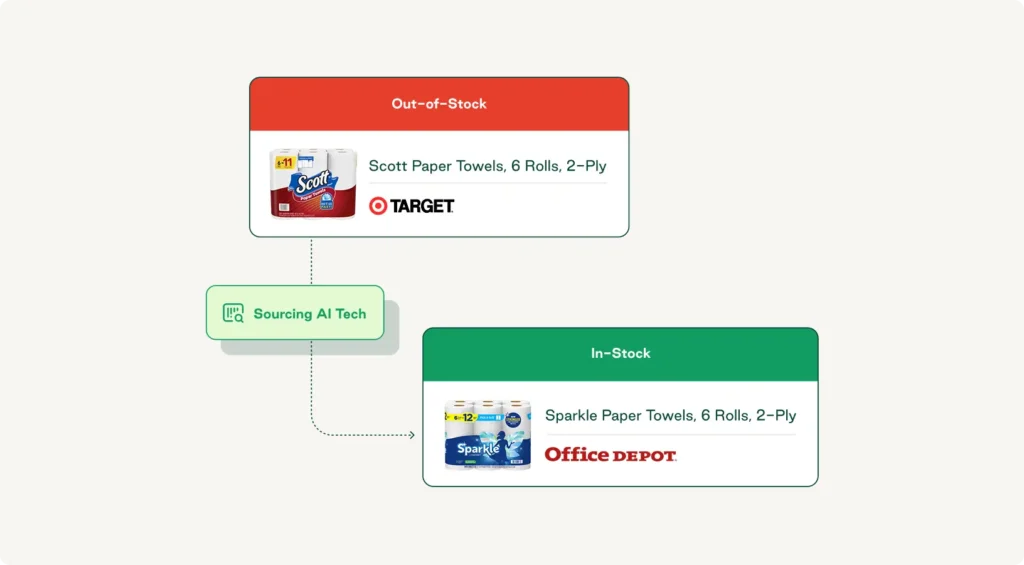
Vendor management software like Order.co provides a unified view of supplier data, with real-time performance visibility and AI-powered sourcing to support smarter vendor selection and reduce procurement risk.
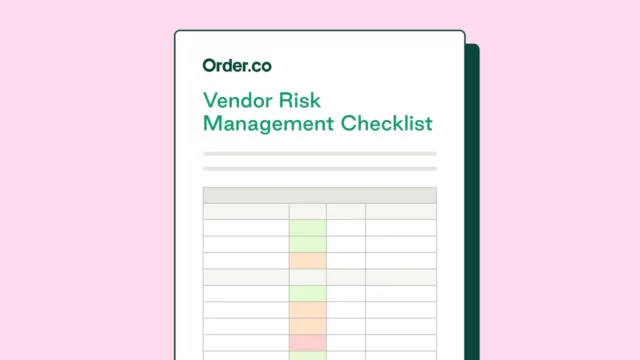
Vendor Risk Management Checklist
Download our free vendor risk management checklist to better manage third-party risk and establish stronger vendor lifecycle management practices.
What key risk factors should you evaluate in your suppliers?
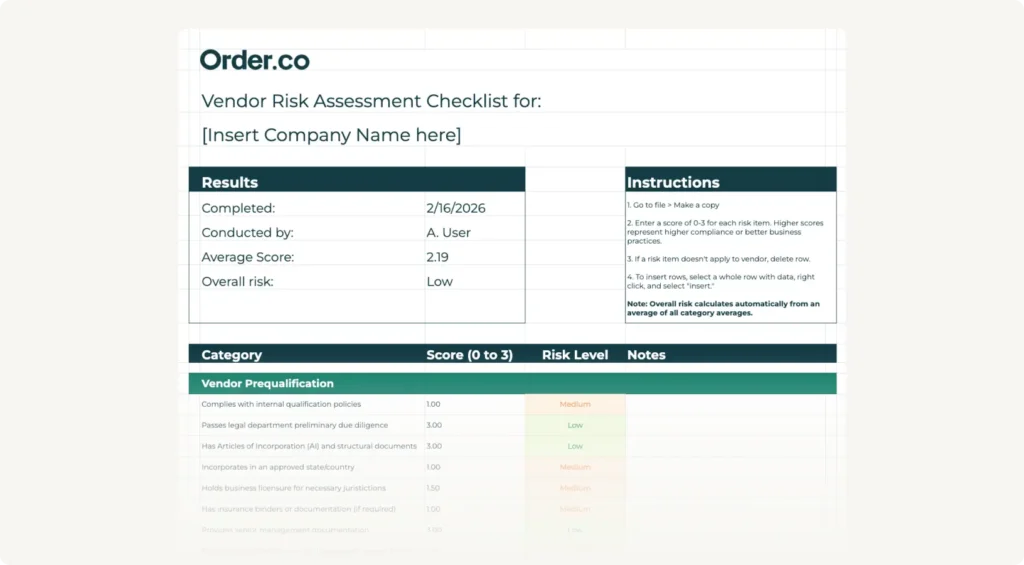
Effective supplier risk management requires evaluating multiple risk categories simultaneously. A comprehensive vendor risk management checklist can help you organize these categories and prioritize your assessment efforts.
Financial stability and payment performance
Financial instability is one of the most damaging supplier risks. When a critical supplier struggles or goes bankrupt, your operations can grind to a halt. For multi-state operator Grasshopper Farms, centralized supplier risk management through Order.co meant faster resolutions and recouping $70k lost to a supplier bankruptcy.
To spot similar risks before they escalate, monitor these financial health indicators:
- Credit ratings from major agencies
- Payment history and days sales outstanding
- Debt-to-equity ratios and liquidity measures
- Profitability trends and revenue volatility
Global sanctions lists now include nearly 80,000 individuals and entities worldwide, up 30% from 2023. This underscores how financial and compliance risks are growing and why regular supplier evaluation is essential—especially for high-risk or critical suppliers that represent single points of failure.
Regulatory compliance and ethical standards
Regulatory requirements are becoming more complex and influential across global supply chains. According to the World Economic Forum’s Global Risks Report 2025, shifting regulations and policy fragmentation are among the systemic risks business leaders expect to affect operations and supply networks in the years ahead.
Including these factors in your supplier evaluation can help you reduce compliance risk:
- Industry-specific regulations (GDPR, HIPAA, FDA)
- ESG commitments and certifications
- Labor practices and human rights standards
- Environmental regulations
- Contractual obligations and service level agreements
Regular evaluation of these areas helps ensure your suppliers meet legal, ethical, and contractual obligations while reducing the risk of fines or reputational damage.
Operational reliability and delivery track record
Operational risk reflects a supplier's ability to consistently deliver quality products on time. Even financially sound suppliers can become high-risk if they face capacity constraints or quality issues.
To ensure consistent performance, include these factors in your supplier evaluation:
- On-time delivery rates and lead time consistency
- Quality metrics and defect rates
- Production capacity and scalability
- Geographic concentration and geopolitical exposure
- Business continuity plans
A vendor scorecard process lets you track these metrics systematically and compare supplier performance against defined benchmarks, removing subjectivity from evaluations.
Cybersecurity posture and data protection controls
Digital connections create digital vulnerabilities. Every supplier with system access represents a potential entry point for cyberattacks, making cybersecurity one of the fastest-growing risk categories.
You can assess suppliers' cybersecurity through:
- Information security certifications (ISO 27001, SOC 2, etc.)
- Data encryption and access controls
- Incident response procedures
- Third-party penetration testing results
- Employee security training programs
- Vendor management of their own sub-suppliers
A vendor management risk matrix can help you prioritize which suppliers require more rigorous cybersecurity assessments based on their access to sensitive data and systems.
How can procurement teams conduct effective supplier risk assessments?
According to McKinsey's Global Supply Chain Leader Survey, 90% of respondents encountered significant supply chain challenges in 2024, highlighting how disruption has become the norm rather than the exception.
Here are a few ways strategic risk assessments can help you identify risks before they impact operations.
Establish a supplier segmentation and prioritization model
Not all suppliers pose equal risk. Segmenting your suppliers allows you to allocate assessment resources where they'll have the greatest impact.
Common segmentation approaches include:
- By criticality: Critical (single source, no alternatives), important (difficult to replace), standard (easily substitutable)
- By spend level: Strategic (high spend, high complexity), leverage (high spend, low complexity), bottleneck (low spend, high complexity), routine (low spend, low complexity)
- By risk exposure: High-risk (multiple risk factors), medium-risk (some concerns), low-risk (well-established, stable)
Segmentation informs how often and how deeply you investigate each supplier. Critical suppliers might require quarterly reviews, while low-risk, routine suppliers could be assessed annually.
Gather data from audits, questionnaires, and third-party sources
Relying solely on supplier self-reporting can lead to incomplete or biased information.
Comprehensive risk assessment requires multiple data sources:
- Direct supplier engagement: Standardized risk questionnaires, on-site audits, financial documentation, certifications, compliance attestations
- Third-party intelligence: Credit bureaus, financial data providers, industry databases, peer reviews.
- Internal data: Historical performance metrics, quality and delivery records, contract compliance tracking, and support ticket patterns
A WTW survey found that 73% of organizations struggle with suppliers' reluctance to share proprietary data, while 77% admit they lack the information needed to fully understand supplier risks. This underscores the value of multiple data sources and automated monitoring.
Score and rank suppliers against defined criteria
Scoring suppliers consistently provides objectivity and allows for meaningful comparison. To ensure high-risk areas get the attention they deserve, most frameworks use weighted scoring across categories.
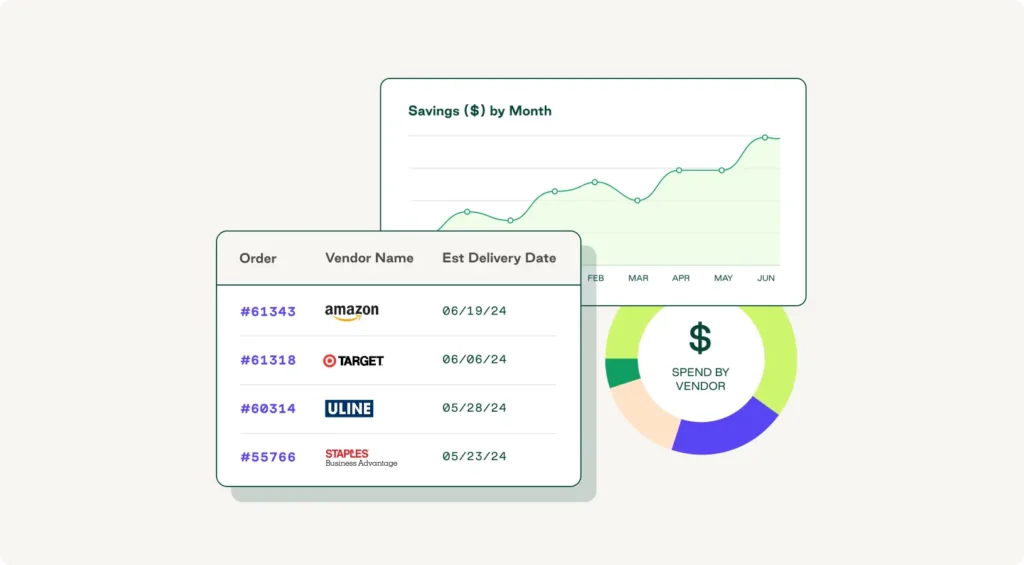
With Order.co, you can track supplier performance and spend data in one place to pinpoint where oversight is needed most.
What tools and metrics drive continuous supplier risk monitoring?
Staying ahead of supplier risks requires more than a single check-in. Continuous monitoring helps you spot problems early so you can respond quickly.
Dashboards for risk visualization and alert configurations
Modern risk management requires real-time visibility. Centralized dashboards consolidate supplier data from multiple sources, providing a clear view of trends and potential issues.
Effective risk-visualization dashboards typically display:
- Overall risk scores with trend indicators
- Category-specific risk breakdowns
- Suppliers approaching risk thresholds
- Recent news or events affecting suppliers
- Compliance status and certification expirations
- Performance metrics against KPIs
Many risk tools include alerts for threshold breaches like missed deliveries or compliance gaps. Order.co complements these by syncing purchasing and performance data into a centralized view that makes those alerts actionable.
KPIs and risk thresholds to track
Defining the right procurement KPIs ensures your risk monitoring program focuses on metrics that matter. Key performance indicators should align with your organization's specific risk tolerance and operational requirements.
Essential supplier risk KPIs for risk management tools include:
- Financial metrics: Days payable outstanding, credit score changes, profitability margins
- Operational metrics: On-time delivery percentage, quality rejection rates, lead time variability
- Compliance metrics: Audit findings, certification status, regulatory violations
- Strategic metrics: Innovation contributions, cost reductions, sustainability improvements
Risk thresholds should trigger escalation protocols. For example, if your risk management tool flags a drop in on-time delivery, you could use Order.co to implement a performance improvement plan or explore alternative sourcing options.
Integrations with ERP and contract management systems
Integration between supplier risk management tools, ERP platforms, and contract management systems provides a complete view of supplier relationships and performance.
Key integration benefits include:
- Automated data flow to reduce manual entry errors
- Real-time spend visibility across suppliers
- Contract term monitoring and renewal alerts
- Purchase order tracking against performance metrics
- Invoice matching and payment tracking
- Comprehensive audit trails for procurement audits
Order.co connects with most major systems, making it easier to consolidate supplier data in one place to support up-to-date risk assessments.
Vendor Risk Management Checklist
Download our free vendor risk management checklist to better manage third-party risk and establish stronger vendor lifecycle management practices.
"*" indicates required fields
How can procurement teams mitigate identified supplier risks?
Identifying risks is only half the battle. Effective risk mitigation balances cost, operational continuity, and supplier relationships.
Diversify the supplier base and create backup plans
Concentration risk—relying too heavily on a single supplier—magnifies the impact of any disruption. Diversifying spreads risk across multiple providers.
Risk mitigation strategies related to sourcing include:
- Dual sourcing: Keep two suppliers active for critical components, split orders, and monitor both to maintain continuity.
- Geographic diversification: Source from multiple regions to reduce geopolitical risk, balance cost against resilience, and consider nearshoring options.
- Capacity planning: Understand suppliers' production limits, identify alternatives before crises occur, and maintain buffer stock for critical items.
Embed contract clauses and performance SLAs
Clear service-level agreements set expectations, establish accountability, and provide recourse when problems arise.
Critical contract provisions include:
- Performance standards: Measurable KPIs, quality specifications, delivery windows
- Risk allocation: Insurance requirements, force majeure procedures, business continuity commitments
- Compliance requirements: Regulatory adherence, right-to-audit clauses, data security obligations
Regular procurement management reviews ensure contracts remain aligned with evolving risk profiles and business needs.
Use transactional controls—like vendor-locked virtual cards—to limit exposure
Financial controls add another layer of protection against vendor fraud and overspending. Virtual payment cards offer unique advantages for managing supplier risk.
Benefits of vendor-locked cards include:
- Spending controls: Set card limits per supplier, restrict usage to specific vendors, and define time-based windows.
- Enhanced visibility: Get real-time transaction monitoring, detailed spend analytics, and immediate fraud detection.
- Operational efficiency: Reduce manual check processing, accelerate payments, and capture rebates and rewards.
Order.co's vendor-locked cards enforce per-supplier spend limits automatically, helping you maintain budget control and reduce exposure without extra manual work.
Enhance your supplier risk assessment process with Order.co
By simplifying supplier onboarding and maintaining visibility throughout the vendor management lifecycle, Order.co can help you move from reactive to strategic risk management.
With Order.co, you can:
- Derisk supplier engagements through platform-managed payment protection
- Centralize vendor information for easier reporting and audit readiness
- Connect to ERP and contract management systems to keep data up to date across platforms
- Control spend with vendor-locked cards to reduce exposure
Schedule a demo today to explore how Order.co can help you centralize supplier data and make more informed vendor decisions.
FAQs
Get started
Schedule a demo to see how Order.co can simplify buying for your business.
"*" indicates required fields