Procurement for Nonprofits: A Complete Strategic Guide

Procurement for Nonprofits: A Complete Strategic Guide
Nonprofit organizations face unique procurement challenges that corporate buyers rarely see. Tight budgets, strict compliance requirements, donor accountability, and understaffed teams mean every purchasing decision carries serious weight.
With the right tools and processes, nonprofits can stretch every dollar, keep compliance on track, and dedicate more time to their mission. This guide covers essential strategies for procurement for nonprofits, compliance essentials, and practical solutions to optimize spending and maximize impact.
Download the free guide: The Procurement Strategy Playbook for Modern Businesses
How is procurement for nonprofits different from corporate purchasing?
Nonprofit procurement differs from corporate purchasing in three key ways: funding sources, regulatory compliance, and mission alignment. While for-profit procurement prioritizes cost efficiency and profit, nonprofits must balance procurement cost savings with donor restrictions, federal and state regulations, and social impact goals.
Nonprofits often operate under tighter budget constraints, relying on grants, donations, and government contracts—each with its own spending rules. They also need to comply with regulations such as Uniform Guidance (2 CFR 200), maintain detailed audit documentation, and demonstrate fiscal responsibility to stakeholders.
On top of that, nonprofit procurement typically goes beyond simple price comparisons by incorporating mission-driven vendor selection and ethical sourcing.
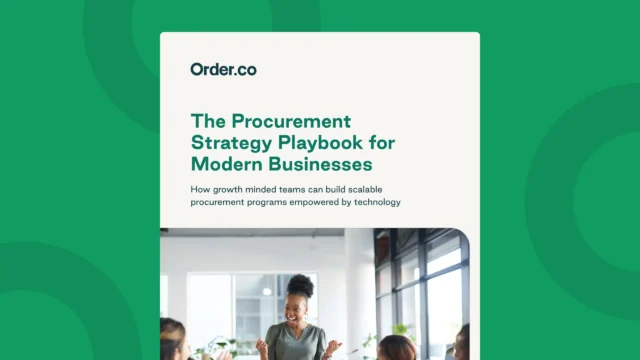
The Procurement Strategy Playbook for Modern Businesses
Want to know more about strategic buying? Read our Procurement Strategy Playbook for even more valuable insights.
Do nonprofits need a procurement policy?
Yes, having a formal procurement policy is essential for nonprofits. For organizations that receive federal funding, it's also legally required under the Uniform Guidance regulations.
Strong procurement policies help prevent fraud, waste, and abuse while ensuring nonprofits get the best value—a balance of price, quality, and performance. Documented procedures also create clear accountability for purchasing decisions, reduce audit risks, and show donors that your organization is transparent.
Amazon Business’s State of Procurement 2024 report reveals that 98% of organizations plan to invest in analytics and automation tools for procurement operations. As technology adoption grows, having a written policy becomes even more critical—especially for nonprofits, which risk disallowed costs, lost funding, or legal issues without clear guidance.
What should a nonprofit procurement policy include?
An effective nonprofit procurement policy should cover several core components:
- Approval thresholds and workflows: These establish who can authorize purchases at different dollar amounts. For example, purchases under $500 might need only a department head's approval, while those over $10,000 require board approval.
- Vendor selection criteria and processes: These outline how your organization identifies, evaluates, and chooses suppliers. This includes competitive bidding requirements, evaluation beyond price (quality, reliability, mission alignment), and documentation standards.
- Record-keeping requirements: These specify which procurement documents to retain and for how long, such as purchase requisitions, quotes, contracts, invoices, payment records, and vendor selection justifications.
- Conflict of interest policies: These ensure staff and board members don't personally benefit from procurement decisions. Relevant policies include compliance frameworks for federal regulations, state laws, and donor requirements, as well as contract management procedures for negotiating, reviewing, executing, and monitoring agreements.
If your organization receives federal funding, your policy must also address the five procurement methods outlined in Uniform Guidance.
Essential procurement methods for nonprofits
Federal regulations set different procurement requirements based on purchase amounts. Smaller purchases offer more flexibility, while larger acquisitions require greater oversight.
The following methods can help you understand and address requirements for key purchase thresholds.
Using micro-purchase procedures (under $10,000)
For purchases up to $10,000, nonprofits can buy without soliciting competitive quotes. This reduces the administrative burden for routine purchases, such as office supplies or software subscriptions.
Even though competitive bidding isn't required, it's still important to:
- Establish clear internal authorization levels.
- Document each micro-purchase, including the item, vendor, price, and business justification.
- Consider rotating among qualified vendors to promote fairness and prevent overreliance on single suppliers.
Meeting small purchase requirements (up to $250,000)
Small purchase procedures cover acquisitions between $10,000 and $250,000. For these purchases, you'll want to obtain price or rate quotes from several qualified vendors (most organizations seek at least three).
Quotes can be written, verbal, or gathered through online research. Maintain records that document vendors contacted, quotes received, and your rationale for selecting a vendor. This documentation demonstrates due diligence during audits while keeping the process manageable.
Conducting competitive bidding for large purchases
Purchases exceeding $250,000 require a formal competitive procurement process.
Two primary methods apply:
- Sealed bid procurement: This approach works best for construction or purchases with clearly defined specifications. It requires public advertising, firm fixed-price contracts, and awarding the contract to the lowest responsive and responsible bidder.
- Competitive proposal procurement: This method is suitable for complex purchases where factors beyond price are important, such as professional services or technology implementations. You can issue formal RFPs to evaluate vendors on technical approach, qualifications, past performance, and price.
Providing sole source justification guidelines
Sole source procurement—buying from a single vendor without competition—is allowed only when the item is available from only one supplier, a public emergency exists, competition is inadequate after solicitation, or a federal awarding agency authorizes non-competitive procurement.
It’s essential to document sole source justifications thoroughly. Explain why competition isn't feasible, summarize any market research conducted, detail the unique capabilities only this vendor can provide, and include a cost analysis showing the price is fair and reasonable.
What are best practices for nonprofit procurement?
Limited budgets, strict compliance rules, donor accountability pressures, and staff shortages (which impact 74% of nonprofits) make every purchasing decision critical. Beyond compliance, smart procurement practices can help your nonprofit maximize value, reduce risks, and ensure spending aligns with your mission.
Keep state-specific regulations in mind
Federal Uniform Guidance establishes baseline requirements, but many state and local jurisdictions add their own rules. For example:
- California: Requires labor compliance certifications for construction contracts and prevailing wage adherence
- New York: Mandates participation goals for Minority and Women-Owned Business Enterprises (MWBEs)
- Texas: Includes Historically Underutilized Business (HUB) program requirements
Research state-specific requirements where your organization operates or receives funding. Consult legal counsel familiar with local regulations and build jurisdiction-specific checklists into your procurement policy.
Leverage cooperative purchasing agreements
Cooperative purchasing agreements let nonprofits tap into pre-negotiated contracts, combining purchasing power to secure better pricing and terms. Organizations like OMNIA Partners, Sourcewell, and National Cooperative Purchasing Alliance maintain hundreds of competitively solicited contracts covering office supplies, technology, furniture, and vehicles.
Nonprofits can usually register at no cost, review available contracts, confirm compliance, and begin purchasing—skipping months of RFP processes. Cooperative purchasing members typically save 15–20% while eliminating the time and expense of competitive solicitations.
Build relationships with mission-aligned vendors
Strong vendor relationships go beyond one-off transactions. They can lead to flexible payment terms, donated services, in-kind contributions, or priority service during emergencies.
Look for vendors with a track record of serving nonprofits or supporting causes aligned with your mission. Evaluate suppliers based on ethical practices, sustainability initiatives, and community engagement—not just price and quality.
Automate approval workflows and documentation
Manual procurement processes drain staff time and increase the risk of errors. Automating procurement operations can cut purchasing costs by up to 20% and shorten order approval time by 50%.
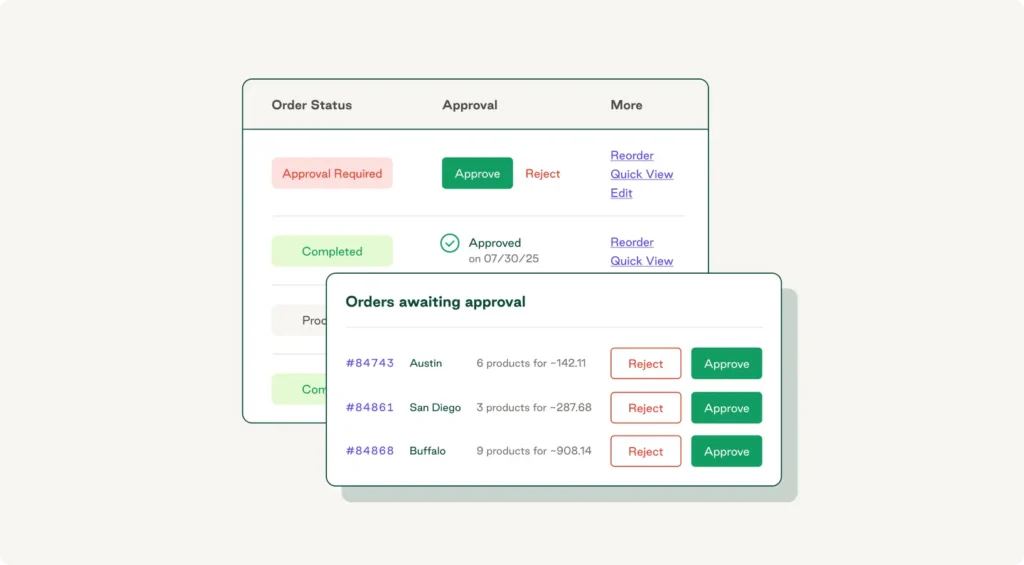
Modern procurement software like Order.co enables automated routing of purchase requests, automatic quote collection, digital approval chains with notifications, and centralized record storage—helping your nonprofit prevent missed purchases, maintain audit compliance, and gain real-time spending visibility.
Measure and report the social impact of procurement decisions
Category management can help nonprofits analyze spending, identify opportunities for mission-aligned purchases, and develop strategic sourcing plans that balance cost with impact.
Track metrics like dollars spent with minority-owned, women-owned, or local businesses; environmental benefits from sustainable choices; jobs created through procurement; and broader community impact. Use these measurements in grant reports and donor communications to clearly show the difference your procurement decisions make.
Integrate procurement with fund accounting
Fund accounting adds unique complexity to nonprofit procurement. Integrating procurement solutions with your accounting system ensures purchase requests check available fund balances before approval, expenses post automatically to the correct accounts, and audit trails link purchases to funding sources.
Invest in a procurement management solution that either integrates with your existing fund accounting software or includes built-in fund tracking capabilities.
Create feedback loops between programs and purchasing
Feedback loops help nonprofit procurement teams stay aligned with evolving priorities and develop strategic sourcing relationships—moving beyond reactive purchasing. This approach strengthens the entire procurement process by incorporating insights from the frontlines.
Schedule regular meetings between procurement and program staff to review upcoming needs, discuss vendor performance, and identify pain points. Set up structured channels for program managers to provide input on vendor selection and implement post-purchase reviews so end-users can assess whether purchases meet program needs.
The Procurement Strategy Playbook for Modern Businesses
Learn the key pillars of a strong strategy, valuable procurement metrics to track, and initiatives you can start implementing today.
"*" indicates required fields
Which features matter in procurement software for nonprofits?
Nonprofit procurement software should address the sector's unique needs while simplifying operations. When evaluating solutions, prioritize features that support compliance, transparency, and efficiency:
- Approval workflows with customizable thresholds: Automatically route purchase requests to the right approvers based on dollar amounts, ensuring policy compliance without manual oversight.
- Fund accounting integration: Track spending by grant or donor restriction to simplify grant reporting and prevent overspending of restricted funds.
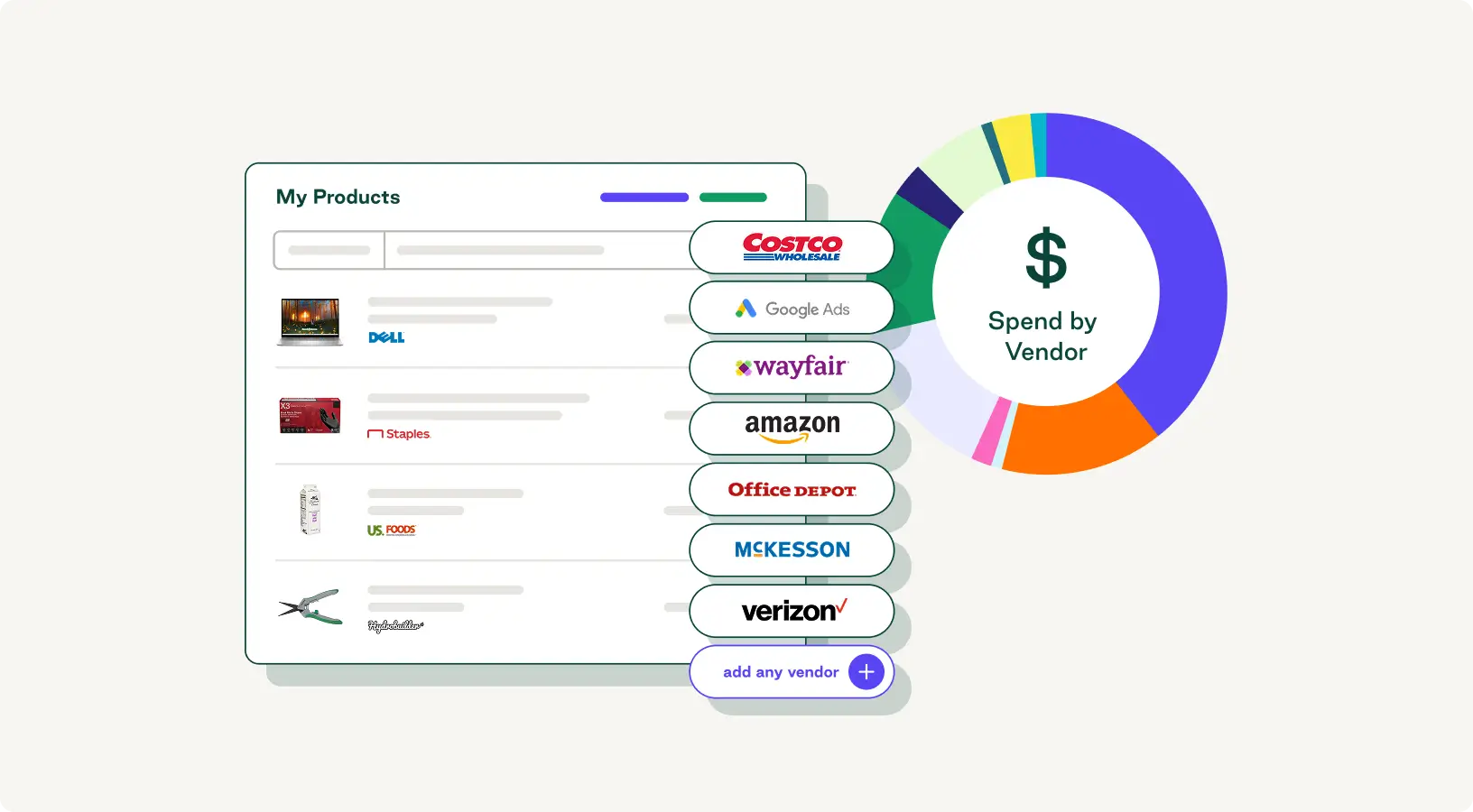
- Vendor management tools: Maintain required vendor documentation, certifications, and performance evaluations in one centralized location for easy audit access.
- Mobile accessibility: Allow staff working remotely or in the field to submit requests and approve purchases from any device, ensuring a seamless workflow.
- Automated compliance checks: Flag purchases that exceed procurement thresholds or violate policy rules before they're processed.
- Built-in quote collection tools: Optimize the competitive bidding process by managing vendor quotes directly within the platform.
- Audit trail documentation: Automatically capture complete purchase histories with timestamps and justifications for every decision.
- Reporting dashboards: Visualize spending patterns, compliance metrics, and budget utilization across programs and funding sources.
Procurement software like Order.co helps nonprofits reduce administrative burden with an intuitive interface that requires minimal training, letting team members focus on more mission-critical work.
Simplify procurement for your nonprofit with Order.co
By establishing documented procurement policies, automating critical workflows, and integrating procurement with fund accounting, your organization can maximize every dollar while maintaining compliance and accountability.
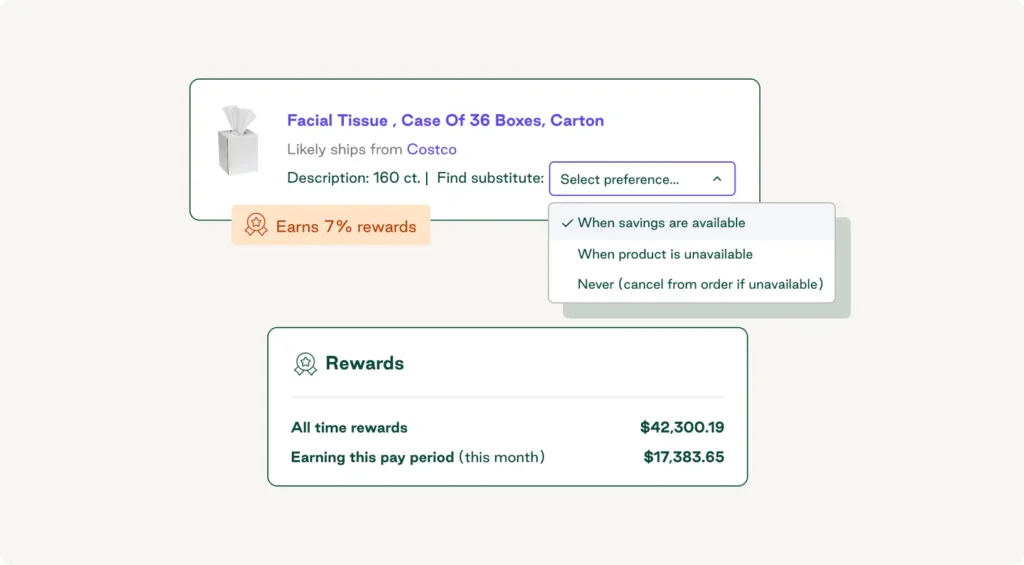
Order.co is a purpose-built spend management solution that directly addresses the needs of nonprofits. The platform provides guided buying experiences, automated accounts payable workflows, fund accounting integration, and centralized vendor management. It also helps consolidate purchasing across locations, reduce rogue spending, and provide full visibility—all while maintaining detailed documentation for grant reporting and audits.
Request a demo to see how Order.co can help your nonprofit enforce spend policies, consolidate vendors, and maximize the impact of every dollar.
FAQs
Get started
Schedule a demo to see how Order.co can simplify buying for your business.
"*" indicates required fields