Best Procurement Software for Gas Stations in 2026
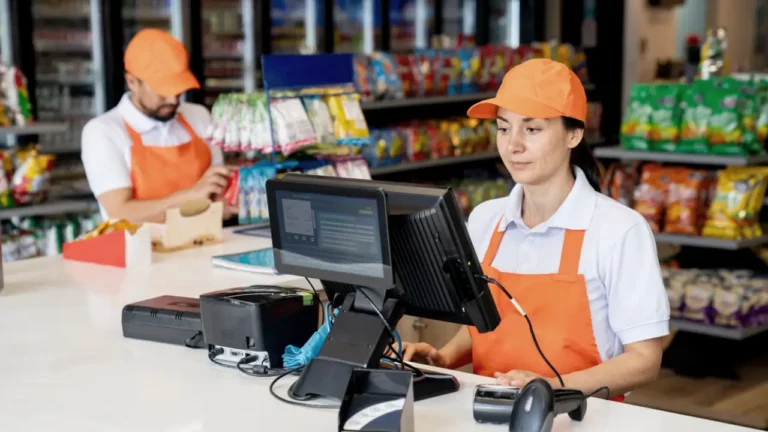
Best Procurement Software for Gas Stations in 2026
Gas station operators face a unique financial reality: fuel profit margins hover between 7 and 11 cents per gallon according to the National Association of Convenience Stores (NACS) research. Many multi-location operators manage spending through fragmented, manual methods that erode those slim margins further. Local store runs, sticky notes, inconsistent vendor relationships, and a lack of centralized oversight create "rogue spend" that reduces negotiating leverage and makes it nearly impossible to track where money actually goes.
With approximately 152,000 convenience stores operating across the United States, and the majority run by owners managing 10 locations or fewer, the procurement challenge is both widespread and urgent. In 2026, the right procurement software for gas stations delivers hard-dollar savings and operational efficiency that directly impact the bottom line.
Download the ebook: The Procurement Strategy Playbook for Modern Businesses
The unique challenge of gas station procurement
Gas stations operate on razor-thin fuel margins with real profitability coming from convenience store operations including snacks, beverages, prepared food, lottery tickets, and ancillary services. This financial reality makes managing indirect spend critical.
The paradox operators face is that they must control every dollar of non-fuel spending while simultaneously managing high transaction volumes across multiple categories and vendors. A typical gas station location orders from dozens of suppliers monthly, including food distributors, cleaning supply vendors, office product companies, maintenance contractors, and specialized equipment providers. Without centralized procurement systems, each location makes purchasing decisions independently, often based on convenience rather than cost optimization.
Common procurement challenges for gas station operators include:
- Tracking and controlling indirect spend across multiple categories and locations
- Closing visibility and compliance gaps across store networks
- Consolidating fragmented purchasing to improve savings and efficiency
The fragmentation problem intensifies for operators managing multiple locations. When each store manager maintains their own vendor relationships and ordering processes, corporate finance teams lose visibility into spending patterns, miss volume discount opportunities, and struggle to enforce compliance with preferred supplier agreements.
What gas stations need in procurement software
Effective procurement software for gas stations balances centralized financial control with operational flexibility at the store level. Finance teams require complete visibility into spending across all locations, with the ability to enforce budgets, approval workflows, and preferred vendor policies. Simultaneously, store managers need the autonomy to order supplies quickly without navigating bureaucratic approval chains that slow operations.
An effective solution should:
- Provide centralized control without slowing store operations
- Deliver real-time spend visibility and automated compliance
- Enable streamlined ordering processes for store teams
- Support vendor flexibility to maintain local and national relationships
Real-time spend visibility is a non-negotiable requirement. Finance leaders managing multi-location operations cannot wait until month-end close to discover budget overruns or identify spending anomalies. The platform must provide dashboard views showing current spending by location, category, vendor, and department, with alerts when locations exceed budget thresholds.
Key features to look for in procurement software for gas stations
The right procurement software addresses gas station operators' unique requirements across purchasing, invoice processing, and spend management, with features contributing directly to improved cost control and operational efficiency.
Centralized purchasing and catalog management
Centralized purchasing unifies all of your vendors into one searchable catalog, where employees can browse products from approved suppliers in one place. This consolidation eliminates the cognitive load of remembering which vendor supplies which product and reduces ordering time from hours to minutes each week.
For gas station operators, this centralization allows:
- Pre-approved product lists to maintain brand standards
- Budget controls and flexible approval workflows
- Automatic policy enforcement at the point of purchase
The catalog structure should be built around pre-approved products that maintain consistent quality specifications across locations. Corporate teams curate the catalog to include only approved items, preventing employees from ordering off-contract alternatives that compromise consistency or paying premium prices for products available more cheaply from preferred suppliers.
Automated invoice processing
Automated invoice processing eliminates manual workload by capturing purchase data at the point of ordering and automatically generating accounting records. When staff place orders through the procurement platform, the system creates pre-coded general ledger entries with the correct account codes, department assignments, and location tags.
The benefits of automated invoice processing include:
- Pre-coded GL assignments that sync automatically to your ERP
- Eliminate manual three-way matching
- Avoid data entry errors and payment processing delays
Consolidated billing further streamlines accounts payable by replacing hundreds of individual vendor invoices with weekly or monthly statements covering all purchases across all locations. This consolidation reduces the number of invoices the accounting team must process by 50 times or more, dramatically cutting labor costs and improving working capital management.
Real-time spend visibility
Gain real-time spend visibility with dashboard views that show current spending by location, category, vendor, and department, with the ability to drill down into individual transactions. This transparency transforms financial management from month-end reporting to continuous monitoring and optimization.
Location-level reporting enables operators to benchmark spending across sites and identify outliers that require attention. When one location consistently spends more on cleaning supplies than comparable stores, finance teams can investigate whether the variance reflects operational differences, pricing issues, or potential waste.
Vendor-agnostic capability
Vendor-agnostic capability ensures gas station operators maintain flexibility in supplier relationships rather than being locked into a limited network of pre-integrated vendors. The procurement platform should support existing local and national vendor partnerships, allowing operators to continue working with trusted suppliers who understand their business.
The system should digitize offline suppliers by bringing traditional vendors who lack sophisticated e-commerce platforms into the centralized procurement workflow. Rather than requiring suppliers to develop technical integrations, the platform acts as the digital intermediary, receiving orders from store managers and forwarding them to vendors through their preferred communication channels.
Procurement platforms for gas stations in 2026
No single platform manages fuel logistics, point-of-sale systems, and indirect spend with equal effectiveness in 2026. Operators typically deploy a technology stack that combines specialized systems for fuel management, POS, inventory management, and procure-to-pay automation.
Below is an example stack for gas stations:
- Indirect spend/P2P automation: Order.co
- Fuel management systems: iRely Petroleum, Titan Cloud
- C-store POS systems: NCR Voyix
For indirect spend and procure-to-pay automation, Order.co stands out as the platform purpose-built for multi-location operators managing diverse supplier relationships and high transaction volumes. The system specializes in centralizing purchasing across all vendor categories while automating invoice processing and providing the real-time visibility finance teams require.
Fuel management systems like iRely Petroleum and Titan Cloud handle the specialized requirements of fuel inventory, tank monitoring, fuel pricing, regulatory compliance, and wholesale procurement. These platforms address the unique logistics of petroleum operations that general procurement systems cannot adequately support. According to recent industry analysis, gas station operators implementing specialized procurement automation see average efficiency gains of 30 to 40% in back-office operations.
Why Order.co excels at indirect spend management
Order.co transforms indirect spend management for gas stations by consolidating all vendors into one guided purchasing interface. Employees can access products from cleaning suppliers, food service distributors, office vendors, and maintenance contractors through one searchable platform, eliminating the complexity of navigating dozens of separate vendor websites or placing phone orders.
Key advantages gas station operators experience from using Order.co include:
- Unified catalog: Order from all vendors through one interface, making punchouts obsolete
- Consolidated billing: One weekly or monthly invoice reduces AP workload by 50x
- AI-powered savings: Average 5% cost savings across products, up to 10% in cleaning, office, and maintenance
- Rapid deployment: Multi-location rollout in approximately two weeks
- Financial flexibility: Net 30 to 90 terms for any vendor, B2B Buy Now, Pay Later, capital advances
- ERP integration: Automatic, pre-coded GL, departments, and locations
ROI and impact of procurement automation for gas stations
Procurement automation directly improves gas station profitability through measurable savings and efficiency gains that flow immediately to the bottom line. Here are the hard savings businesses can achieve with procurement software.
- Reduce product costs 5 to 10% across indirect spend categories
- Control rogue spend through centralized purchasing
- Improve supplier leverage with consolidated volumes
Procurement automation software offers efficiency gains that improve your bottom line, including:
- Reclaim hundreds of admin hours annually for AP teams
- Reduce accounting errors and payment discrepancies
- Streamline month-end reconciliation and close processes
- Eliminate manual invoice processing and three-way matching
In addition to savings, procurement software for gas stations should offer the following scalability benefits:
- Enable easy onboarding for new locations without proportional overhead increase
- Maintain financial controls as transaction volume grows
- Leverage operational efficiencies across expanding location networks
A typical 10-store gas station operation with $500,000 in annual indirect spend achieves approximately $35,000 in combined savings during the first year, $25,000 from direct product cost reductions and $10,000 from efficiency gains and reduced administrative labor.
Simplify your gas station operations with Order.co
Order.co brings order to the chaos of gas station procurement, transforming the way multi-location operators manage indirect spend. Finance and operations teams managing multiple locations face mounting pressure to control costs while maintaining the operational agility that keeps stores running smoothly. Traditional procurement methods, fragmented vendor relationships, manual invoice processing, and limited spend visibility prevent operators from achieving the efficiency and profitability their businesses need to thrive.
As a vendor-agnostic platform, Order.co preserves the supplier relationships operators have built while adding the structure and automation that finance teams need. Store managers can continue ordering from trusted local and national vendors, but through one unified interface that enforces budgets, maintains brand standards, and captures complete transaction data. This balance between control and flexibility makes adoption straightforward while delivering immediate results in cost savings and operational efficiency.
Every dollar you save on indirect spend is a dollar you can reinvest in your stores, your team, and your customers. Schedule a demo to see how Order.co can optimize procurement for your gas station operations.
FAQs
Get started
Schedule a demo to see how Order.co can simplify buying for your gas station business.
"*" indicates required fields